Virginia-Highland Weekend Guide for Your Visit
June 18, 2026
June 18, 2026
If you are thinking about moving intown, a weekend in Virginia-Highland can tell you a lot. This is the kind of neighborhood where your coffee stop, park walk, errands, and dinner plans can all fit into one easy rhythm. If you want to know what daily life could actually feel like here, this guide will help you picture it. Let’s dive in.
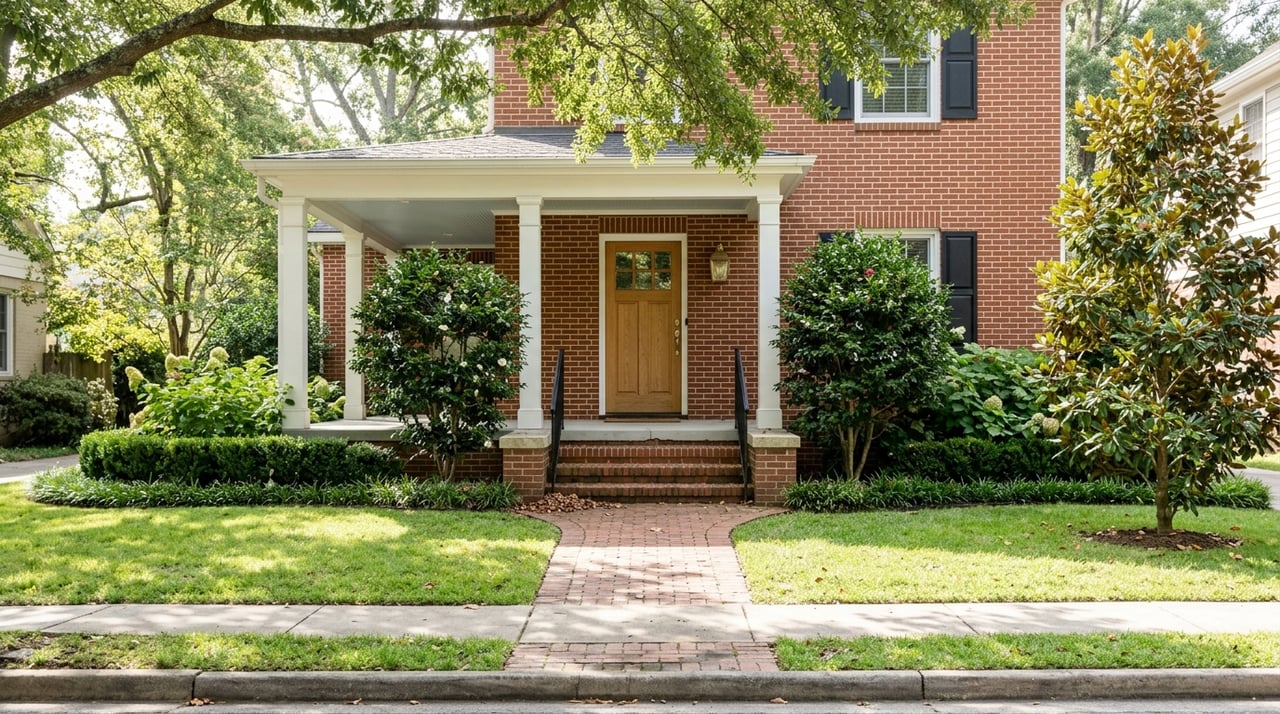
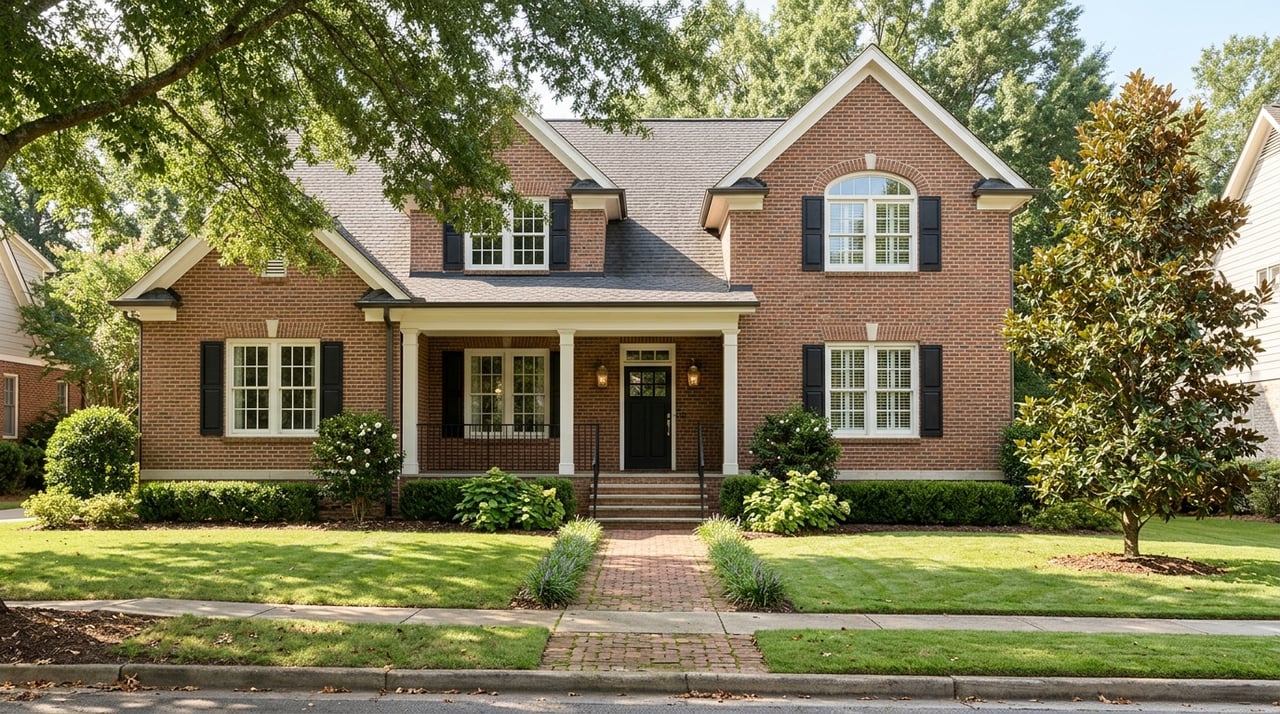
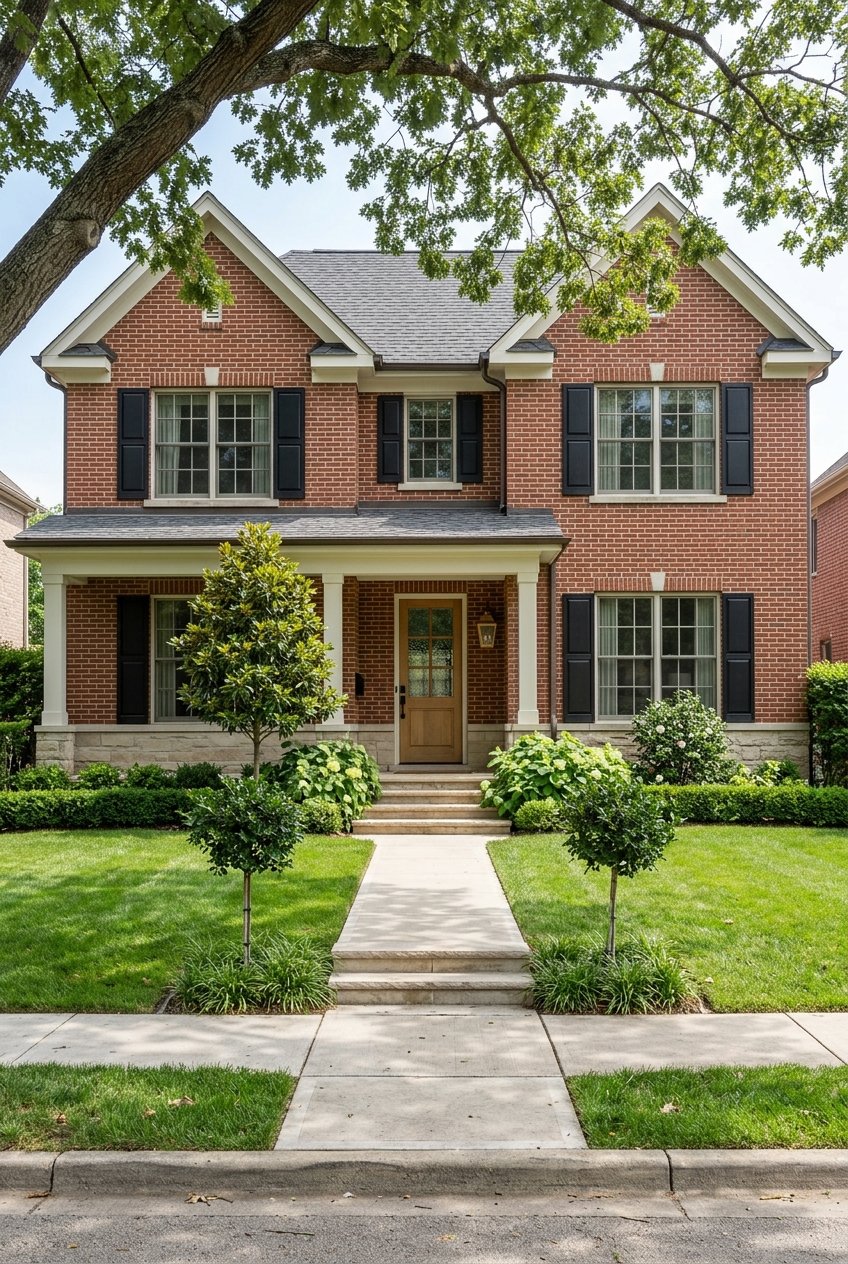
Virginia-Highland is one of Atlanta’s official neighborhoods, and it has a distinct sense of place. It is also a historic district on the National Register, with many bungalows, cottages, and Foursquare homes built between 1905 and 1936.
Its borders are generally Ponce de Leon Avenue to the south, Amsterdam Avenue to the north, the BeltLine, Piedmont Park, and Midtown to the west, and Druid Hills and Atkins Park to the east. That location helps explain why Virginia-Highland feels both connected and self-contained.
A big part of the neighborhood’s appeal is its built-in rhythm. The Virginia Highland District is described by the City of Atlanta as a 1.4-mile stretch of North Highland Avenue lined with trees, long-standing restaurants, legacy bars, trendy shops, and fitness and wellness businesses.
For you as a future local, that means the neighborhood is not just attractive on paper. It supports the kind of weekend where you can do a lot without feeling like you are constantly getting back in the car.
Virginia-Highland makes it easy to start slow. The district directory lists a strong mix of coffee-focused spots, including Ash Coffee, PERC Coffee, Press & Grind, San Francisco Coffee, Alon’s Bakery, and Three Peaches Coffee and Gelato.
That variety matters because it shows how the neighborhood supports choice within a compact area. Instead of planning a morning around a long drive and a parking search, you can picture a more relaxed routine built around walking and lingering.
For many buyers, this is where Virginia-Highland clicks. You are not just choosing a home. You are choosing whether your weekends can begin with a short stroll to coffee on a tree-lined street.
If your visit includes Sunday during market season, the VaHi Farmers Market adds another layer to the experience. The market runs Sundays from 8:30 a.m. to noon from April 12 through November 22, 2026, at Highland Woodworking on North Highland Avenue.
The market notes that you can bike, walk, or drive, with free street parking nearby. That detail reflects something important about the neighborhood overall. Even when people drive in, the experience still tends to shift toward walking once they arrive.
One of the most useful things to notice during a weekend visit is that Virginia-Highland does not read like one single strip. The district directory organizes the area into smaller micro-areas, including Va-Hi Intersection, Historic Atkins Park, Virginia Row, Morningside Village, Highland-Amsterdam, and Off the District.
That setup helps explain why the neighborhood feels layered instead of repetitive. As you move through it, you are likely to notice small shifts in pace and business mix from one pocket to the next.
For a buyer, this can be a helpful lens. It means your block, your nearest coffee spot, and your most common errand route may shape your experience just as much as the neighborhood name itself.
Virginia-Highland feels lived-in because the business mix goes beyond restaurants and boutiques. The directory includes examples like Intown Hardware, Highland Woodworking, Highland Eye Boutique, Highland Runners, and Dakota J’s, along with wellness and everyday service businesses.
That blend is part of what makes the neighborhood practical. You can imagine a Saturday where errands, shopping, and lunch all happen in one general area instead of across several parts of the city.
If you are comparing intown neighborhoods, this is worth paying attention to. Some places are great for a night out. Virginia-Highland stands out because it can support more of your regular routine too.
John Howell Park is often a smart stop for anyone trying to understand the neighborhood beyond its storefronts. The Virginia-Highland Civic Association describes it as the neighborhood’s signature park, just blocks from Virginia and North Highland, where neighbors come to play, relax, and connect.
That gives you a window into the social side of the area. Parks like this are often where a neighborhood shifts from being a collection of nice streets to a place that feels grounded in everyday life.
The civic association also identifies Orme Park, the Triangle at Virginia and North Highland, and privately owned North Highland Park as neighborhood green spaces. Together, they help support the balance of houses, commerce, and outdoor gathering space that many buyers are looking for.
The Atlanta BeltLine Eastside Trail is another major piece of the Virginia-Highland lifestyle. It was the first finished section of the BeltLine and runs from the tip of Piedmont Park to Reynoldstown, connecting Virginia-Highland with places including Inman Park, Poncey-Highland, and Old Fourth Ward.
For future locals, this matters because it expands your weekend range without requiring a car. The BeltLine frames the trail as something to explore on foot or by bike, and that makes it central to a more car-light routine.
If that kind of movement matters to you, plan time to actually experience it. A neighborhood can look appealing online, but walking a nearby trail and seeing how it links to the surrounding area tells you much more about how you might live there.
Virginia-Highland carries its energy into the evening. The district directory includes restaurants such as Murphy’s, La Tavola, Osteria 832 Pizza & Pasta, Truva Turkish Kitchen, Bar.bacoa, and Atkins Park Restaurant.
The range is useful for buyers to see in person. A neighborhood with several established dining options often feels more flexible over time because it can support quick plans, long meals, and visiting friends without much effort.
This is also where the neighborhood’s historic setting and active business district come together. You get the charm of an older intown area with a commercial corridor that stays relevant to daily life.
Evening in Virginia-Highland is not only about dinner. The directory also lists spots such as Blind Willie’s, Highland Tap, Neighbor’s Pub, and Ocean Wave, while the City of Atlanta describes the district as a mix of long-standing restaurants and legacy bars alongside shops and wellness uses.
That combination helps explain the day-to-night rhythm here. You can have a quiet morning and a full evening in the same neighborhood, which is part of why Virginia-Highland appeals to buyers who want both character and convenience.
When you visit, notice how the energy changes after dark. You are not just asking whether you like one restaurant. You are asking whether the neighborhood’s pace feels right for your real life.
Virginia-Highland works best when you approach it as a walk-first district. Atlanta DOT manages metered on-street parking, residential permit parking, valet permits, and public parking lots and garages, and Virginia-Highland is part of the city’s residential parking permit program.
That tells you parking is part of the local routine, not an afterthought. It also suggests that residents and visitors alike often need to think strategically, especially on busy weekends or during events.
For many future buyers, that is not a drawback. It is part of the tradeoff that comes with living in a popular intown neighborhood where daily life is more connected to the street.
The neighborhood is also served by buses, and Summerfest information from the civic association notes that the nearest rail stations for the festival area are Midtown Station and Inman Park/Reynoldstown Station. In practical terms, transit can be useful, but it is not the main way most people move block to block within Virginia-Highland.
That is why a test weekend matters. Try parking once, then spend a few hours walking between coffee, shops, parks, and dinner. You will get a more honest feel for whether the neighborhood matches the lifestyle you want.
Virginia-Highland’s appeal is not only about its homes and businesses. Recurring community events also help shape the neighborhood experience, including Porchfest, the VaHi Farmers Market, Winterfest, Mardi Gras Festival, Restaurant Week, and Summerfest.
For a future local, that means the neighborhood has a street-life calendar that extends beyond everyday errands. If you value places that feel active and connected throughout the year, this is an important piece of the picture.
A weekend visit during a normal stretch can be helpful, but a visit near an event can also show you how the area handles crowds, parking, and community energy. Both versions tell you something useful.
Based on how the neighborhood functions, Virginia-Highland is often a strong match for buyers who value historic homes, independent businesses, neighborhood events, and a routine built around walking to coffee, parks, dinner, and errands.
That does not mean everyone will use the neighborhood in the same way. But if you are drawn to older housing stock, tree-lined streets, and a lifestyle that feels more connected to local businesses and public spaces, Virginia-Highland is worth a close look.
The best way to decide is to treat your visit like a preview of real life. Start early, walk often, stay through the evening, and pay attention to what feels easy. That is usually where the answer becomes clear.
If you are considering a move to Virginia-Highland and want help thinking through home options, block-by-block feel, or how this neighborhood compares with nearby intown areas, Werner Homes Collective would be glad to help.
Stay up to date on the latest real estate trends.
Partnering with Alexis means working with someone who values preparation, transparency, and results. With years of behind-the-scenes experience on hundreds of transactions, every step is approached with strategy, care, and attention to detail. Clients don’t just get representation — they get an advocate.
WERNER HOMES COLLECTIVE
1 W Ct Square Ste 750 Decatur GA 30030