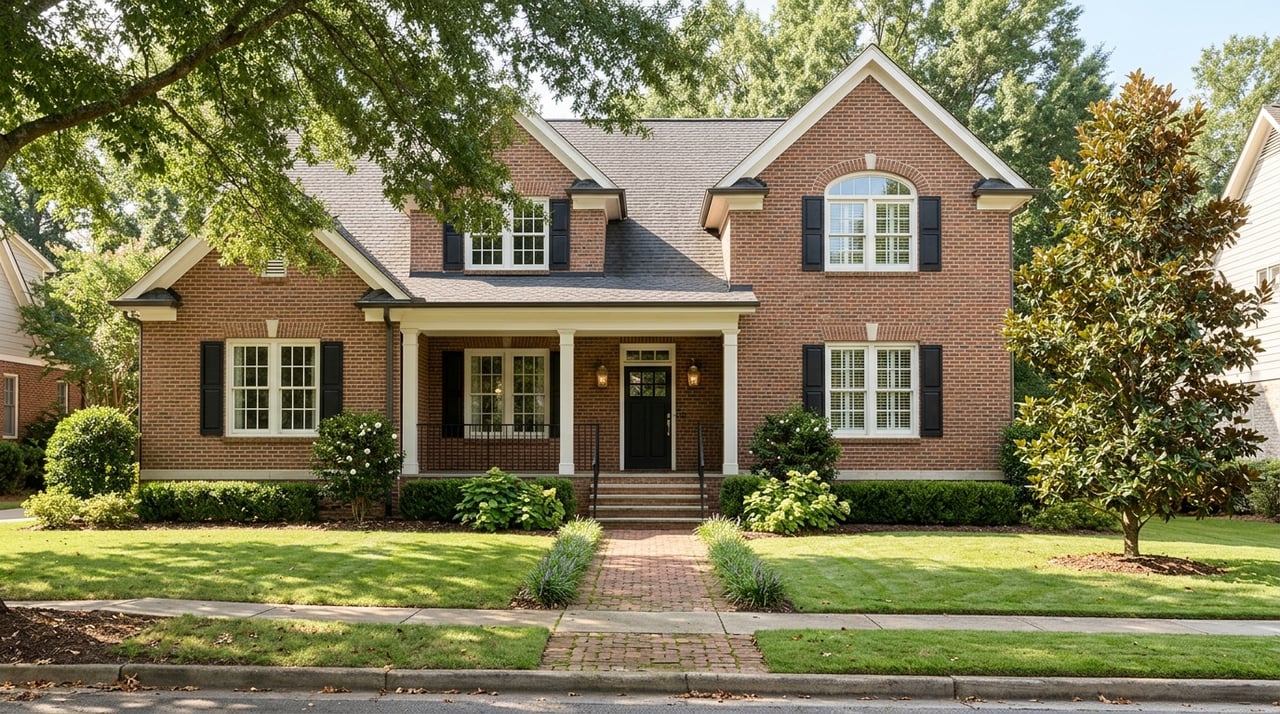
Inman Park Market Trends For Intown Move-Up Buyers
July 2, 2026
July 2, 2026
If you are trying to move up within intown Atlanta, Inman Park can feel like one of the hardest places to read. One week, a polished listing moves fast. The next, a home sits long enough to invite real negotiation. The good news is that today’s market gives you more nuance than panic, and that matters when you are making a bigger, more expensive move. Let’s dive in.
Inman Park remains a premium intown neighborhood with limited supply. As of May 2026, Zillow’s Inman Park home value index was $768,703, up 1.0% year over year, while Redfin’s rolling three-month median sale price was $782,237, down 3.7% from a year earlier. Realtor.com’s May 2026 snapshot showed a median sold price of $707,000 and a median listing price of $575,000.
Those numbers are not as contradictory as they may seem. Each source tracks a different part of the market, so the most useful takeaway is that pricing looks flat to mixed, not sharply rising or falling. For move-up buyers, that means you should focus less on one headline number and more on the specific home, condition, and timing.
Inman Park is a small neighborhood, and small sample sizes can move the numbers quickly. The original neighborhood fabric includes about 300 homes, and current active inventory has been around 29 to 30 homes. In a market that size, a few larger or slower-selling listings can shift medians in a big way.
That is why Zillow, Redfin, and Realtor.com can all tell slightly different stories at the same time. Zillow’s number is a modeled value index, Redfin relies on rolling closed-sale data, and Realtor.com offers a monthly MLS-based snapshot. Read together, they suggest a neighborhood that is still expensive and competitive, but not impossible to navigate.
For move-up buyers, supply is the first thing to watch. Zillow showed 30 homes for sale, Realtor.com reported 29 active listings, and Redfin logged 23 homes sold in May 2026. That is thin inventory by almost any standard, especially for buyers hoping to find more space without leaving intown.
Even so, there are signs that inventory has loosened a bit this spring. Realtor.com’s charted data through April 2026 showed active homes rising 21.43% month over month to 29, while the median listing price fell 11.2% month over month to $575,000. That does not mean Inman Park suddenly became a bargain, but it does suggest buyers may be getting a few more choices than they had in tighter periods.
Yes, but the pace is more measured than during the pandemic peak. Realtor.com labels Inman Park a warm seller’s market, with homes selling 1.33% below asking on average and a 99% sale-to-list ratio. Redfin describes it as somewhat competitive, with average homes selling about 3% below list.
The timeline data tells a similar story. Median days on market ranged from 34 days on Realtor.com to 39 days in Redfin’s closed-sale figures. Redfin also noted that average homes go pending in about 53 days, while hot homes can go pending in around 16 days.
That split is important. It means the best listings can still draw quick action, while homes that miss on price, presentation, or condition may linger long enough to create negotiating room.
If you are shopping in Inman Park after owning elsewhere intown, your strategy needs to be balanced. You cannot assume every listing will trigger a bidding war, but you also cannot assume a standout home will wait for you. Preparation matters more than bravado in this kind of market.
Recent sold examples show how wide the spread can be. Redfin highlighted one condo that sold 5% under list after 118 days, one house that sold 16% under list after 232 days, and another that sold at list after just 7 days. That range shows why buyers need to judge each listing on its own merits instead of relying on one neighborhood average.
Inman Park remains one of the more expensive intown options. Compared with other nearby neighborhoods on Realtor.com, the median listing prices vary widely: Old Fourth Ward at $350,000, Poncey-Highland at $327,000, Virginia Highland at $439,000, Reynoldstown at $660,852, and Glenwood Park at $850,000.
That matters if you are deciding whether Inman Park is the right move-up target or one option among several. If your priorities include a specific historic housing stock, a limited-supply neighborhood, or a premium intown setting, Inman Park may still make sense. If you are more flexible, the surrounding intown market gives you alternatives at very different price points.
The broader Atlanta market gives helpful context. For the three months ending May 2026, Redfin reported a city of Atlanta median sale price of $429,238 and 54 days on market. Inman Park’s median sale price sits far above that level, which confirms that buyers here are shopping in a premium segment of the city.
The metro also has more supply overall. Georgia MLS reported 26,898 active listings and 4.66 months of inventory across the Atlanta MSA in May 2026. In other words, while the region may feel more balanced, Inman Park can still feel tight because neighborhood-level inventory is so limited.
Financing conditions are part of the story too. Freddie Mac reported the average 30-year fixed mortgage rate at 6.49% on June 25, 2026, compared with 6.77% a year earlier. Rates have been relatively stable, but they are still high enough to keep many buyers selective.
For move-up buyers, that usually creates two effects. First, you may be more careful about monthly payment and overall budget. Second, sellers may face a buyer pool that is motivated but more value-conscious, which can help if you are targeting a listing that has been sitting.
The best approach in this market is to stay ready, but stay disciplined. Well-priced homes in strong condition can still move fast, especially in a neighborhood with only a few dozen active listings at a time. At the same time, average sale-to-list trends and longer days on market show that not every seller has full control.
A practical game plan looks like this:
This is where local pattern recognition matters. In a neighborhood as small as Inman Park, broad averages only take you so far. The real edge comes from understanding which homes are likely to trade quickly and which ones may offer better terms.
Current data does not point to a broad price collapse in Inman Park. Inventory has improved compared with the tighter conditions of a few years ago, but truly desirable homes still attract attention. If you wait only for a dramatic neighborhood-wide reset, you may miss the better opportunities that come from listing-specific negotiation.
For many move-up buyers, the smarter question is not whether the whole market will drop. It is whether the right home is available now, and whether you can buy it on terms that fit your budget and long-term plans. In today’s Inman Park market, that often matters more than trying to perfectly time the next headline.
Inman Park is still a scarce, premium intown neighborhood, and that scarcity continues to support demand. But the market is no longer so overheated that every buyer needs to rush blindly. You have room to be thoughtful, especially on listings that are stale, overpriced, or less polished.
If you are planning a move-up purchase, the key is to combine speed with judgment. Know your numbers, understand the difference between hot and stale inventory, and be ready to act when the right fit appears. If you want clear, neighborhood-specific guidance on your next move in Inman Park or nearby intown neighborhoods, Werner Homes Collective can help you build a strategy that fits the market you are actually in.
Stay up to date on the latest real estate trends.


Partnering with Alexis means working with someone who values preparation, transparency, and results. With years of behind-the-scenes experience on hundreds of transactions, every step is approached with strategy, care, and attention to detail. Clients don’t just get representation — they get an advocate.
WERNER HOMES COLLECTIVE
1 W Ct Square Ste 750 Decatur GA 30030