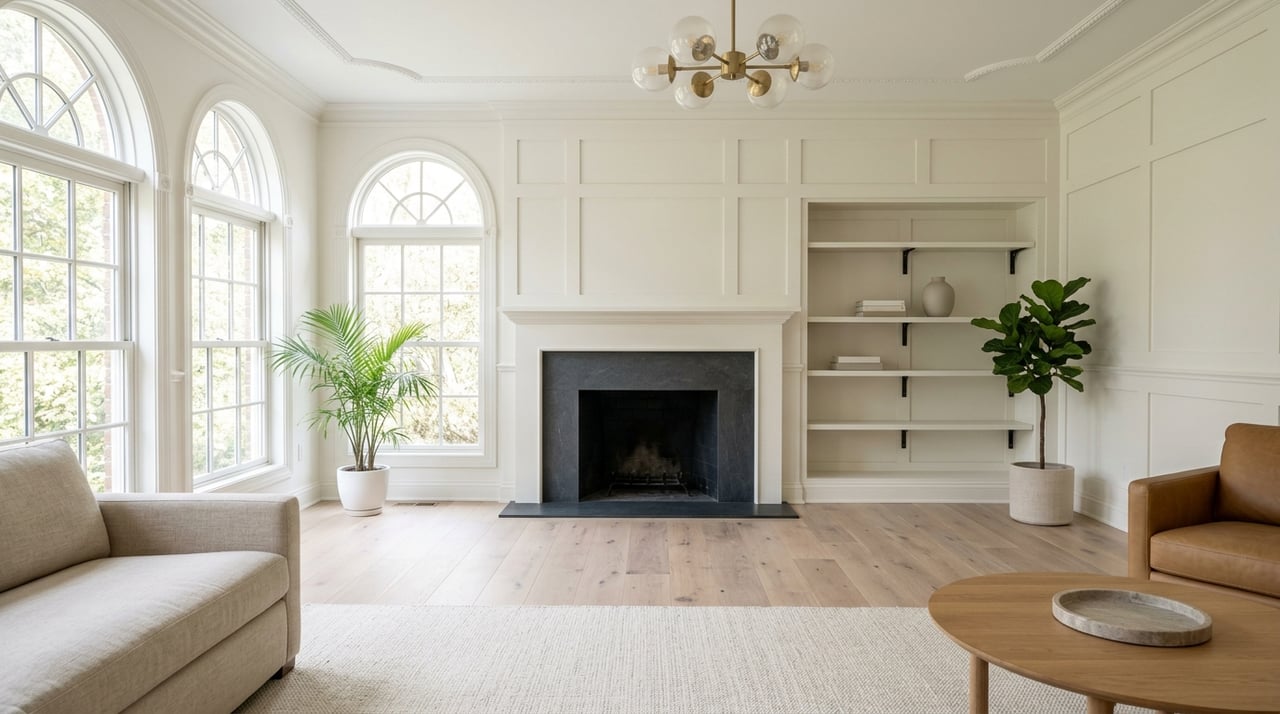
Virginia Highland Home Styles for Your Lifestyle
June 25, 2026
June 25, 2026
If you are drawn to Virginia-Highland, chances are you are not just shopping for square footage. You are also looking for a certain feel: tree-lined streets, historic character, and the kind of intown lifestyle where parks, restaurants, and local shops are part of your daily routine. The good news is that Virginia-Highland offers several distinct home styles, each with its own strengths, tradeoffs, and lifestyle fit. Let’s dive in.
Virginia-Highland is best known as an early-20th-century neighborhood, with most of its homes built between 1905 and 1936. Its housing story began in the streetcar era and continued into the early automobile age, which helps explain why the neighborhood still feels cohesive, walkable, and rich in architectural detail.
At the same time, Virginia-Highland is not one-note. Alongside its historic single-family homes, you will also find duplexes, apartments, and some later infill housing. That mix gives buyers more than one path into the neighborhood, whether you want original charm, more interior space, or a more modern setup.
In Virginia-Highland, home style often shapes your day-to-day experience as much as the address itself. A compact bungalow may offer strong connection to the street and porch life, while a larger revival-style home may give you more rooms and separation between living spaces.
That matters because so much of the neighborhood’s appeal is tied to lifestyle. Residents are within walking distance of shopping, dining, nightlife, parks, Piedmont Park, and the BeltLine, and the North Highland business corridor adds another layer of convenience with its restaurants, shops, and wellness uses.
Craftsman bungalows are the signature Virginia-Highland home style. Across the neighborhood, these homes commonly feature front- or side-gable roofs, front porches, wide eaves, exposed rafters, Craftsman-style windows, and masonry details like brick piers set on granite posts.
English Vernacular cottages add a different kind of charm. These homes often include steep gables, half-timbering, and mixed materials such as brick, stucco, and stone, giving them a storybook look that stands apart from more classic bungalow lines.
For many buyers, bungalows and cottages deliver the most recognizable Virginia-Highland character. Their generally compact scale and porch-centered design often create a closer connection to the street, front yard, and mature tree canopy.
They can be a strong fit if you want historic personality without the footprint of a much larger house. If your priority is charm, walkability, and a home that feels rooted in the original neighborhood fabric, this style often checks those boxes.
The same details that make these homes appealing also tend to need ongoing care. Roofs, porches, wood trim, windows, and masonry details are often central to the home’s character, so they deserve close attention during your search.
If you are thinking ahead about expansion, this is especially important. In Virginia-Highland’s historic context, adding a new second story to a one-story bungalow can compromise historic integrity, which may affect how practical that plan is for a specific property.
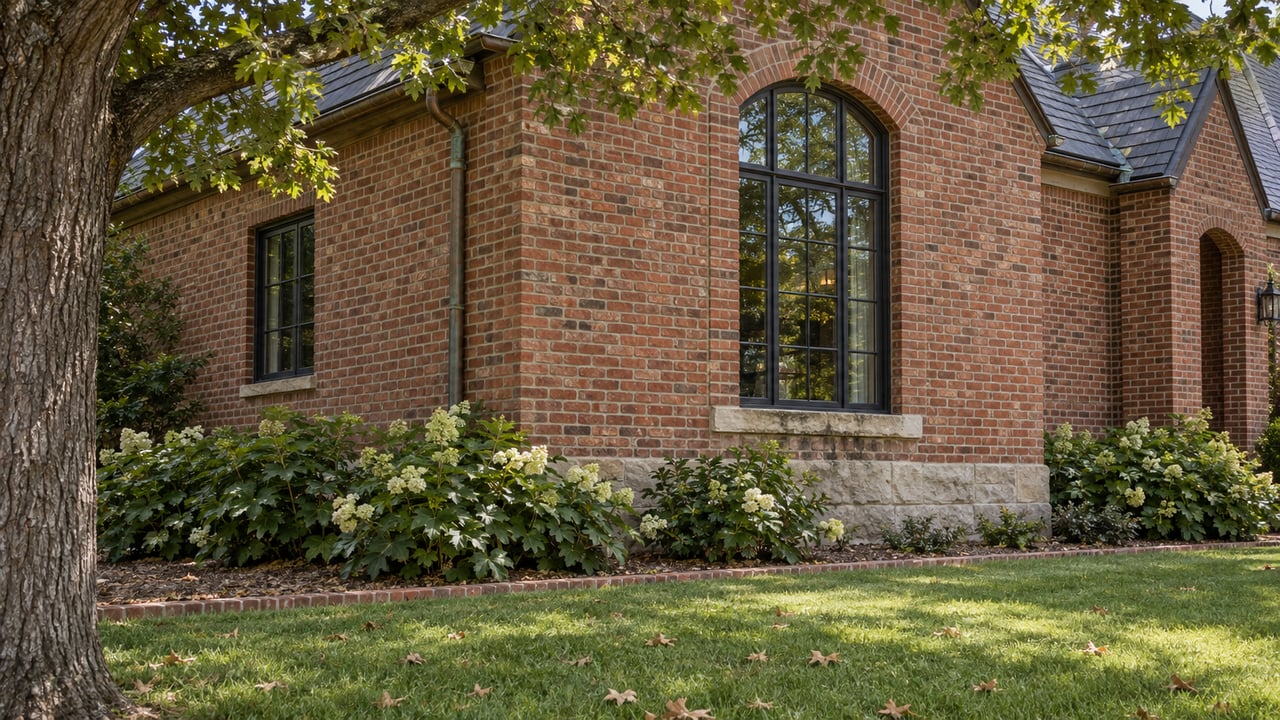
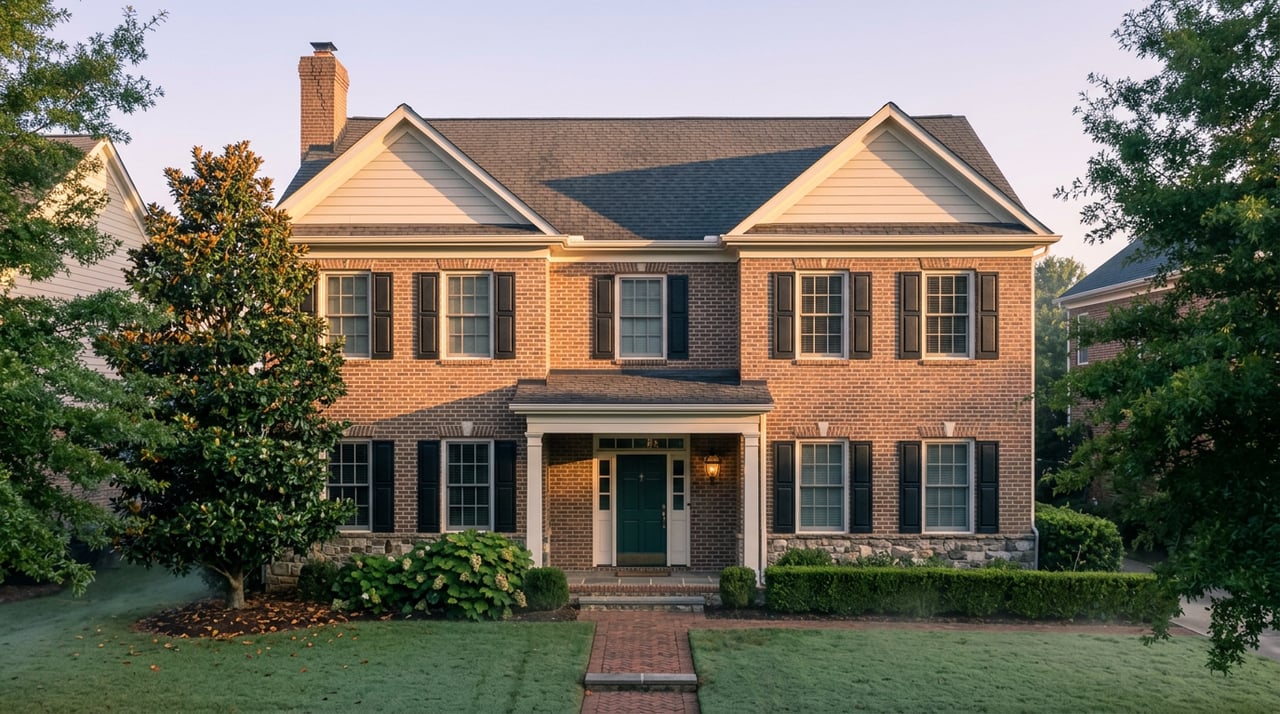
Virginia-Highland also includes larger historic houses in styles such as Colonial Revival, Mediterranean Revival, and American Foursquare. These homes often have more formal architectural elements, including symmetrical facades, central entrances, porticos, decorative pediments, tile hip roofs, arched openings, and more elaborate brick, stucco, or stone detailing.
Compared with smaller cottages, these homes generally offer more square footage and more structured room layouts. Historic examples in the neighborhood include both Georgian-plan and asymmetrical three-part plans, which often translate into more rooms, more storage, and greater separation between living areas.
If you want more space without giving up Virginia-Highland’s historic identity, this category may be the sweet spot. These homes can offer room count and layout flexibility that appeal to buyers who want designated living areas instead of a smaller, more compact plan.
They can also be a good fit if you appreciate original materials and architectural details that feel more formal or substantial. In practical terms, you may gain square footage and layout options, but you are also taking on a home that likely needs thoughtful long-term stewardship.
Older, larger homes often require more attention to original materials and systems. Roofs, masonry, windows, and past or future additions can all become important parts of your due diligence.
Historic review can also matter here. In the Atkins Park portion of the neighborhood, there is a separate City historic district designation, and Atlanta preservation guidance notes that exterior projects may require a Certificate of Appropriateness depending on the designation and the scope of work.
Townhomes and newer construction are a smaller part of Virginia-Highland’s housing mix, but they are still worth considering. Much of the neighborhood was built out by the end of the 1920s, and some later infill housing was added on lots cleared during the abandoned I-485 corridor process.
That means newer homes here tend to represent a later chapter in the neighborhood rather than its original form. For some buyers, that is a plus because it can bring a more contemporary layout and lower day-to-day exterior maintenance.
A current Virginia-Highland townhome example shows what this category can include: three-level living, around 2,400 square feet, three bedrooms, three-and-a-half baths, two-car garages, four-sided brick construction, and HOA-managed amenities. Another newer example shows features like an open-concept main floor, rooftop patio, fenced front yard, EV charging, smart-home features, and private garage entry.
In short, newer townhomes often appeal to buyers who want more bathrooms, garage parking, and modern finishes. If you prefer convenience and function over preserving original architectural details, this style can make a lot of sense.
The biggest tradeoffs are usually vertical living, HOA rules and fees, and smaller lot sizes. Depending on the property, you may also get less of the historic streetscape character that draws many buyers to Virginia-Highland in the first place.
That does not make townhomes a lesser option. It simply means the fit is different. If your lifestyle leans toward lock-and-leave convenience, garage storage, and updated systems, newer construction may align better with your priorities than an older detached house.
The best Virginia-Highland home style is usually the one that matches how you want to live, not just how you want a home to look. A beautiful bungalow can lose some appeal if you need more room separation, while a large historic home can feel like too much if you want a simpler upkeep routine.
A helpful way to frame the decision is to think in terms of lifestyle, maintenance, and layout. Here is a quick comparison:
| Home style | Often best for | Key advantages | Main tradeoffs |
|---|---|---|---|
| Bungalows and cottages | Buyers who want classic Virginia-Highland character | Front porches, historic charm, manageable scale | Older materials, limited expansion flexibility |
| Larger historic homes | Buyers who want more space in a historic setting | More square footage, more formal layouts, strong architectural presence | More upkeep, possible preservation review |
| Townhomes and newer construction | Buyers who want modern convenience | Garage parking, more bathrooms, updated layouts, HOA-managed features | Vertical living, HOA costs, less original neighborhood fabric |
As you compare homes in Virginia-Highland, it helps to go beyond style labels. Two bungalows can live very differently, and not every renovated historic home has the same level of systems updates or preservation constraints.
Consider asking questions like these:
In Virginia-Highland, your home choice is closely tied to how you want to experience the neighborhood. Because the area is known for walkable access to shopping, dining, parks, Piedmont Park, the BeltLine, and the North Highland corridor, buyers here are often weighing convenience, charm, and maintenance tolerance just as much as bedroom count.
That is why there is no single best answer. Some buyers want the front porch and original details of a bungalow. Others want the room count of a larger historic house or the ease of a newer townhome with garage parking and updated systems.
If you want help sorting through which Virginia-Highland home style best matches your goals, Werner Homes Collective offers thoughtful, neighborhood-focused guidance for intown Atlanta buyers who want clarity, strategy, and a more personal experience.
Stay up to date on the latest real estate trends.


Partnering with Alexis means working with someone who values preparation, transparency, and results. With years of behind-the-scenes experience on hundreds of transactions, every step is approached with strategy, care, and attention to detail. Clients don’t just get representation — they get an advocate.
WERNER HOMES COLLECTIVE
1 W Ct Square Ste 750 Decatur GA 30030