
Choosing Between Historic Homes and Lofts in Inman Park
July 9, 2026
July 9, 2026
Looking for a neighborhood that gives you real architectural character without giving up intown convenience? Inman Park stands out because it offers both. If you are trying to decide between a historic home and a loft-style residence, understanding how the neighborhood developed can help you choose the lifestyle that fits you best. Let’s dive in.
Inman Park is widely recognized as Atlanta’s first planned suburb and first electric trolley neighborhood. It was laid out in the late 1880s with curving streets, open space, and a park-like setting that still shapes the feel of the neighborhood today.
That history is not just background. Inman Park is also a local historic district in the City of Atlanta, and the district rules are meant to preserve its historic physical pattern, architectural history, and variety of housing types. That helps explain why the neighborhood feels so layered, with detached homes, multifamily buildings, and mixed-use areas all part of the same story.
For many buyers, the biggest draw is the neighborhood’s collection of late 19th- and early 20th-century homes. The historic district includes one- and two-story wood-framed houses with details like front porches, dormer windows, front gables, and double-hung sash windows.
Architectural styles in Inman Park are especially varied. You will see Queen Anne, Folk Victorian, Neoclassical, Colonial Revival, Craftsman, bungalow, Beaux Arts, Shingle, and Stick-style influences across the district. That range gives the neighborhood a strong visual identity without making every block feel the same.
The streetscape matters just as much as the individual homes. Inman Park follows the natural rolling contours of the land, with curving streets, narrow lots, mature trees, sidewalks, and houses set close to the curb. Together, those features create the classic intown historic feel that many buyers are hoping to find.
When you tour historic homes here, you are often responding to more than square footage. You are noticing porch presence, original detailing, established landscaping, and the way the homes relate to the street.
The southern half of the district is especially associated with Victorian, Colonial Revival, and Craftsman homes. In the northern portion, you will find more early-20th-century bungalows, apartments, and commercial buildings, which adds another layer to the neighborhood’s housing mix.
Charm comes with responsibility. In Inman Park, some exterior work may require a Certificate of Appropriateness under local preservation rules, while ordinary repairs and maintenance do not require a Type I COA.
If you are considering a historic home, it is smart to think beyond finishes and layout. The neighborhood’s aging-in-place planning notes that many houses are multi-story or raised above grade, so stairs, accessibility, and interior circulation can be more important here than in newer homes.
Inman Park is not only about grand historic houses and bungalows. The neighborhood planning work points to a broader housing mix that includes smaller lofts and larger buildings, especially near the Atlanta BeltLine.
This part of the neighborhood reflects adaptive reuse and redevelopment. Former industrial sites near the BeltLine have helped shape a more urban residential experience, with examples in the corridor including Highland Walk, Inman Park Village, Highland Steel, and other renovated industrial or warehouse buildings.
That mix gives Inman Park a distinct contrast. On one side, you have restored houses on tree-lined streets. On the other, you have homes tied to converted buildings, mixed-use settings, and a more immediate connection to the BeltLine.
The BeltLine is a major lifestyle driver for buyers considering loft-style living in Inman Park. The Eastside Trail passes through the neighborhood and connects residents to parks, public art, retail, and nearby destinations including Ponce City Market and Krog Street Market.
For many buyers, that means daily life can feel more connected and flexible. You may be able to build a routine around walking, biking, dining out, and quick access to neighborhood amenities instead of relying on a car for every errand.
Mobility is part of the appeal here. MARTA’s current station list includes the Inman Park-Reynoldstown station, which gives the area another option for getting around.
That can be especially appealing if you want an intown lifestyle with multiple ways to move through the city. For some buyers, that extra flexibility is a deciding factor when comparing loft living to a detached home.
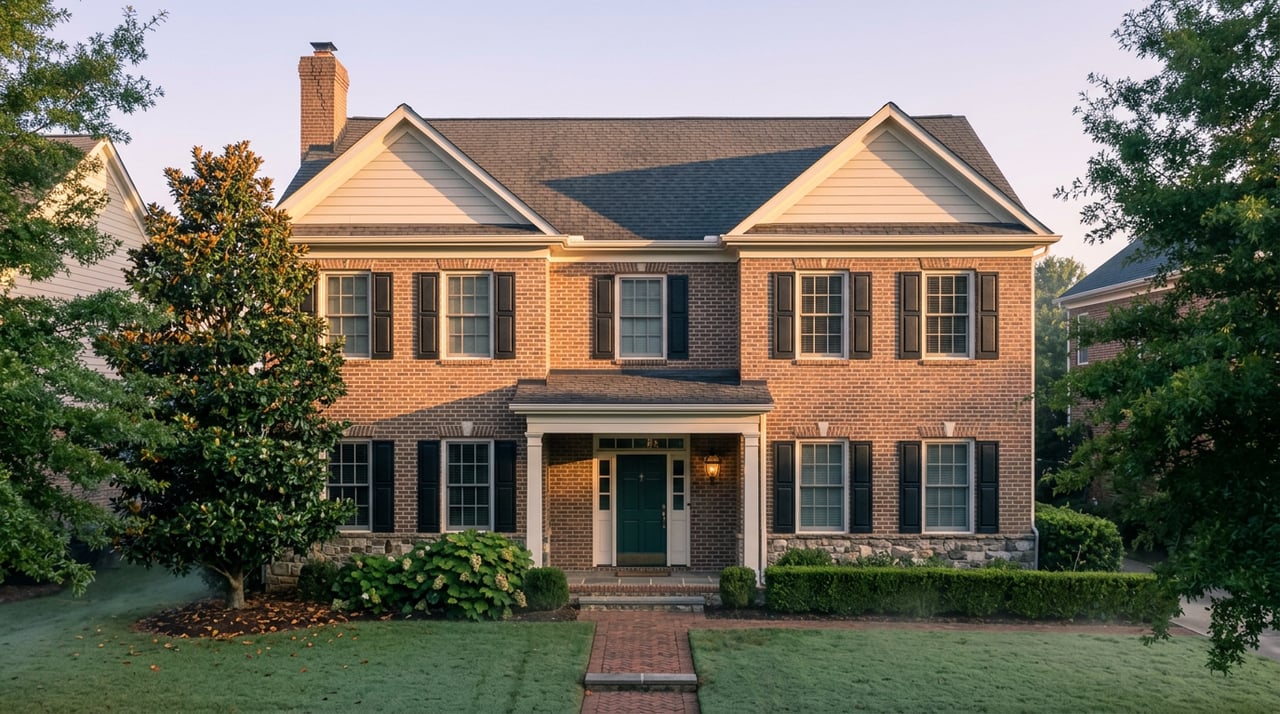
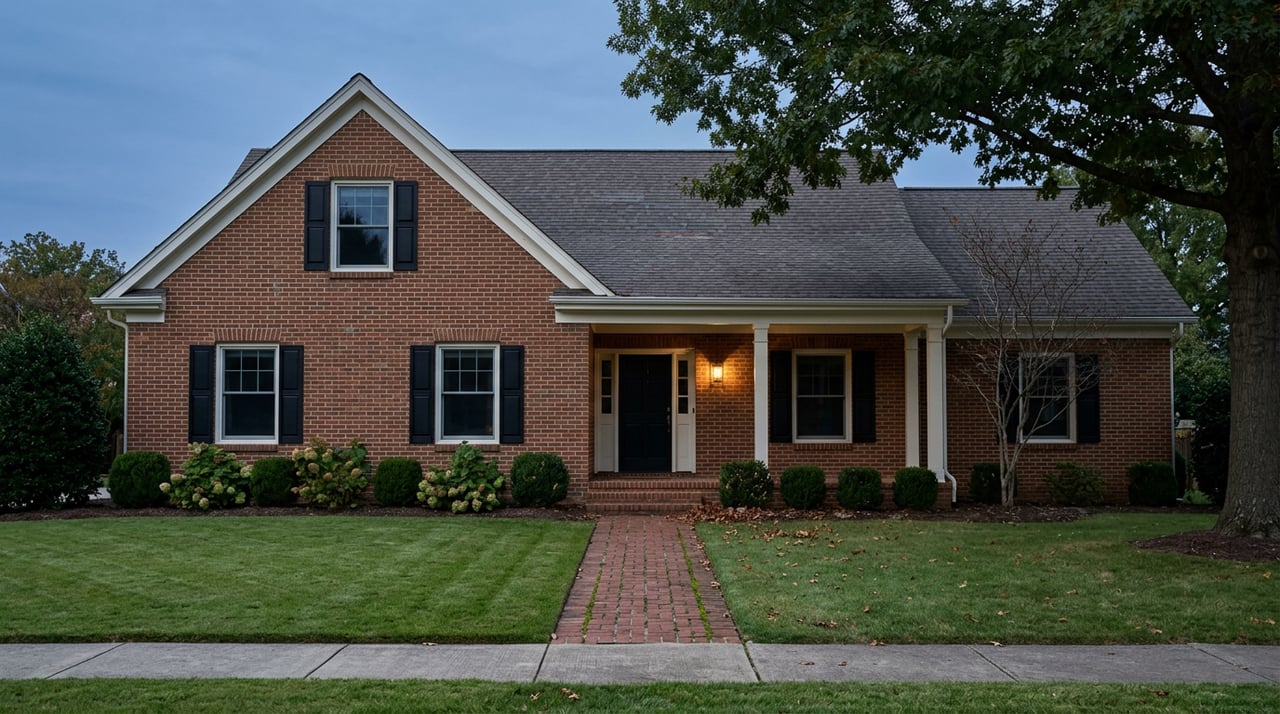
If you are comparing property types in Inman Park, a helpful starting point is character versus convenience. Historic homes often deliver the strongest sense of place, with preserved architecture, yard presence, and visual continuity along the street.
Lofts and multifamily options are more closely tied to adaptive reuse, mixed-use surroundings, and BeltLine access. That does not mean one is better than the other. It simply means the day-to-day experience can feel very different depending on where and how you want to live.
One of the biggest mistakes buyers make is thinking of Inman Park as a one-style neighborhood. It is better understood as a layered historic district with several housing experiences inside it.
You can find restored Victorian and Craftsman homes, early bungalows, apartments, and loft-style residences connected to adaptive reuse. That range is part of what keeps the neighborhood interesting and helps it appeal to buyers with different priorities.
The neighborhood’s identity is also reinforced by community traditions. The City of Atlanta describes the Inman Park Festival and Tour of Homes as a free music and arts-and-crafts festival with a ticketed tour of historic homes, and the neighborhood’s history remains central to how the area presents itself.
If you are seriously considering a move here, it helps to tour with a clear lens. Rather than asking only whether you like a home, ask how the property type fits the routine you want.
Here are a few practical questions to keep in mind:
These questions can make your search more efficient and help you focus on the part of Inman Park that best matches your goals.
If you want thoughtful guidance as you explore Inman Park, Werner Homes Collective offers neighborhood-first advice, video walkthrough support for remote buyers, and a calm, strategic approach to finding the right fit.
Stay up to date on the latest real estate trends.


Partnering with Alexis means working with someone who values preparation, transparency, and results. With years of behind-the-scenes experience on hundreds of transactions, every step is approached with strategy, care, and attention to detail. Clients don’t just get representation — they get an advocate.
WERNER HOMES COLLECTIVE
1 W Ct Square Ste 750 Decatur GA 30030