Inman Park BeltLine Lifestyle and Home Value
May 28, 2026
May 28, 2026
If you are drawn to intown Atlanta for walkability, character, and everyday convenience, Inman Park probably sits high on your list. It offers a rare mix of historic homes, direct BeltLine access, and a neighborhood setting that still feels distinct within the city. If you are trying to understand whether that lifestyle also supports home value, the short answer is yes, but for reasons that go beyond the trail alone. Let’s dive in.
Inman Park is not just another neighborhood along the Atlanta BeltLine. The New Georgia Encyclopedia describes it as Atlanta’s first planned suburb and a late-19th-century garden suburb with about 300 homes. That history still shapes how the neighborhood looks and feels today.
The Eastside Trail runs through Inman Park and connects this historic area to a wider network of parks, dining, retail, and other intown neighborhoods. According to Atlanta BeltLine materials, the trail stretches from the tip of Piedmont Park to Reynoldstown. That means your daily routine can include both neighborhood charm and city connectivity.
One of the biggest lifestyle draws in Inman Park is how much you can reach without getting in the car. The BeltLine identifies Krog Street Market as being in Inman Park along the Eastside Trail, and it highlights destinations like Ponce City Market, the Krog Tunnel, and public art installations along the corridor.
For many buyers, that kind of access changes how a neighborhood feels day to day. A quick walk, bike ride, or run can connect you to dining, shopping, and green space in a way that is hard to replicate elsewhere. Even if you stay on your own block most evenings, the nearby activity helps give the area its energy.
The Eastside Trail also adds practical outdoor access. BeltLine materials note that it connects to Historic Fourth Ward Park, Thomas Taylor Memorial Skatepark, and Piedmont Park.
Freedom Park is another major part of the outdoor story. Freedom Park Conservancy describes it as a 130-plus-acre linear park about 2 miles east of downtown Atlanta, surrounded by Inman Park and six other neighborhoods. For buyers who care about walking, running, cycling, or simply having more open space nearby, that is a meaningful benefit.
Inman Park also offers a useful transit connection for people who want flexibility in how they move around Atlanta. MARTA says the Inman Park/Reynoldstown station is on the Blue and Green lines, includes 366 free daily parking spaces, and offers bus connections.
That does not mean every home in the neighborhood feels transit-oriented in the same way. But it does mean that nearby rail access is part of the broader value equation. For some buyers, especially those balancing office commutes, airport access, or car-light living, that can make Inman Park even more appealing.
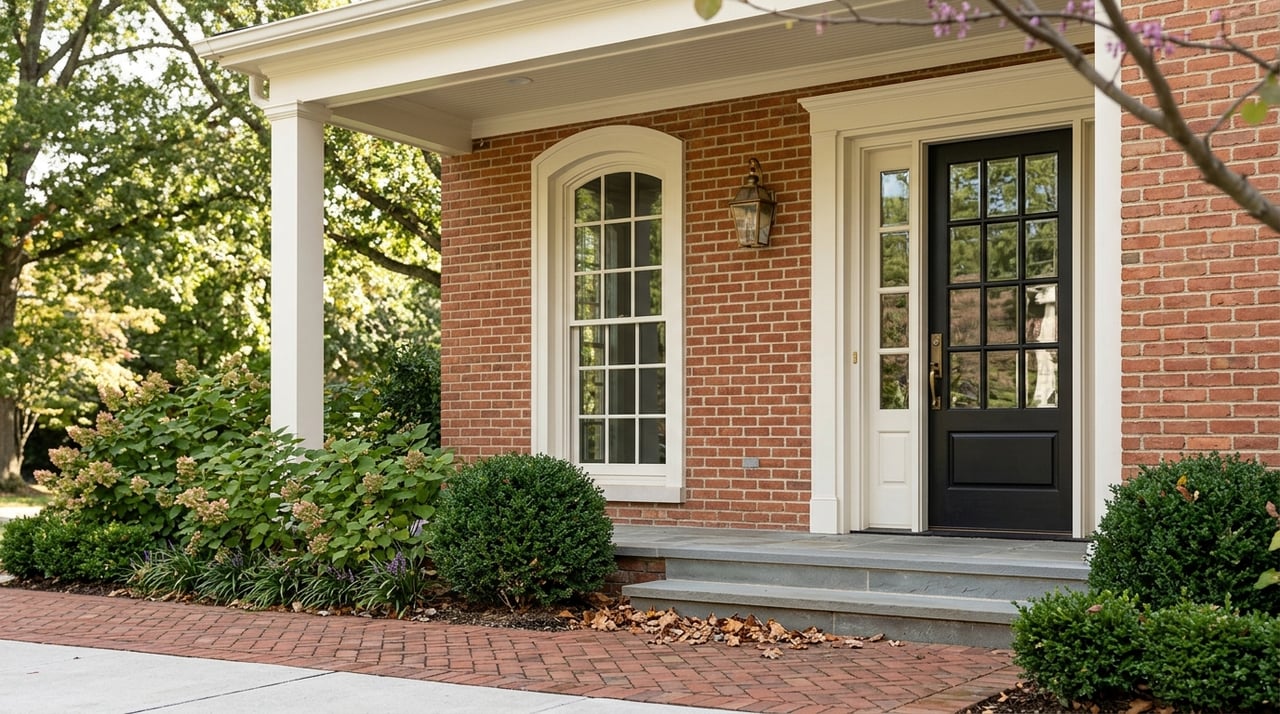
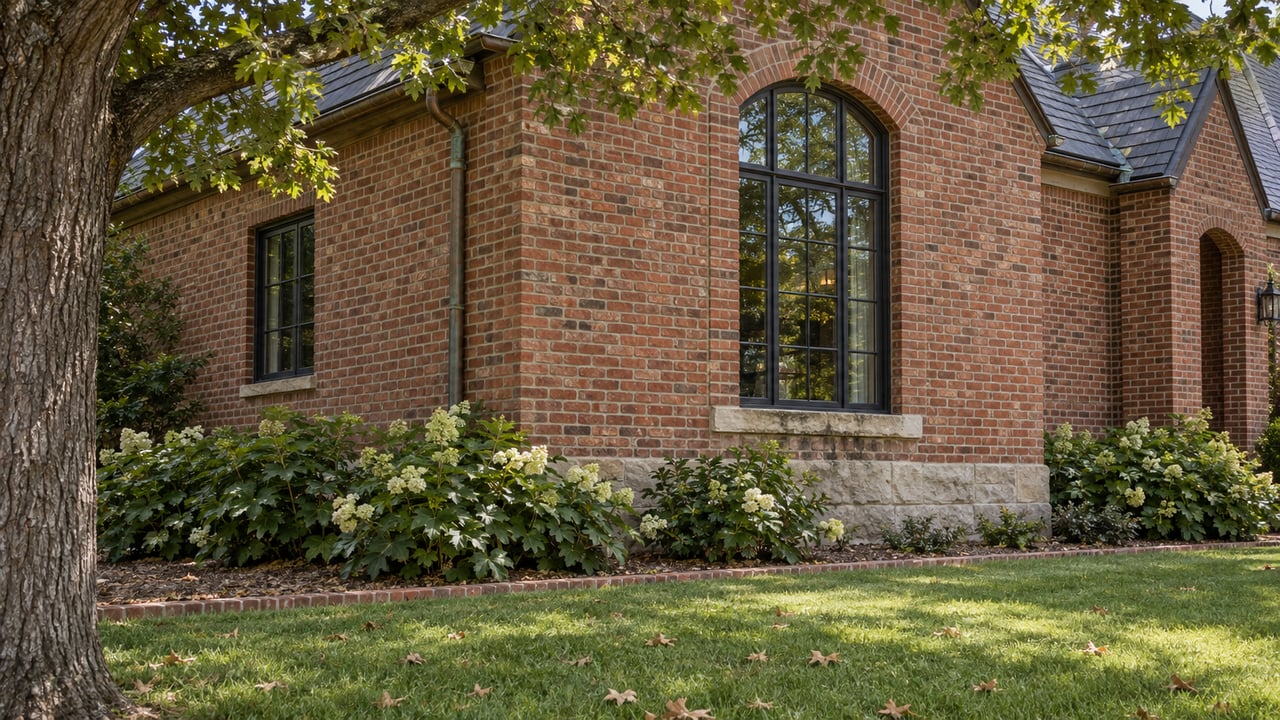
A major part of Inman Park’s appeal is that its housing stock tells a story. The neighborhood was listed on the National Register of Historic Places in 1973 and designated by the City of Atlanta as a historic district in 2002.
City and neighborhood materials say the district was created to preserve historic physical patterns, architectural history, and housing diversity, while keeping new construction and renovations compatible with neighborhood character. In practical terms, that helps explain why Inman Park feels layered and distinctive rather than generic.
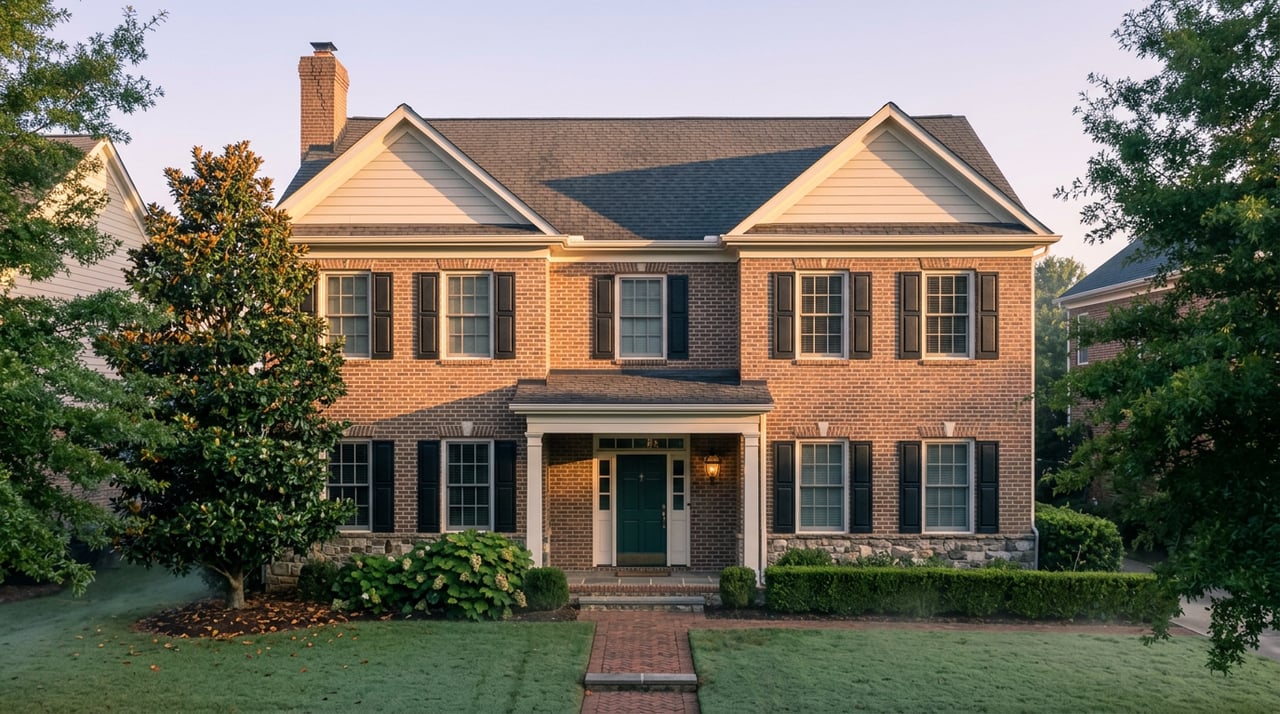
The New Georgia Encyclopedia points to Queen Anne and Georgian Revival homes in the neighborhood, along with broader late-Victorian and early-20th-century styles. For you as a buyer, that often means more architectural personality and more variation from one block to the next.
Historic charm comes with some added responsibility. If you own a home in Inman Park and plan permit-related work, the City of Atlanta may require a Certificate of Appropriateness.
According to neighborhood preservation guidance, ordinary repairs and maintenance are exempt from Type I review, while more substantial projects can trigger Type III review. The Inman Park Neighborhood Association also encourages immediate-neighbor meetings for those applications. If you are buying with renovation plans in mind, this is a detail worth understanding early.
Although Inman Park is best known for historic single-family homes, that is not the whole housing story. MARTA’s station-area profile shows that the broader Inman Park/Reynoldstown area also includes a mix of residential densities, multifamily buildings, townhomes, and mixed-use development.
Examples in the area include Inman Quarter, Elan Inman Park, Reynoldstown Square, and MODA Reynoldstown. So if you are looking near the BeltLine, you may find a wider range of housing forms than you would expect from the neighborhood’s historic reputation alone.
Inman Park remains one of the higher-priced intown markets, but it is not moving at a breakneck pace. Redfin reported a March 2026 median sale price of $707,000, a median sale price per square foot of $484, and an average of 69 days on market.
Other market snapshots show slightly different numbers, but they point in a similar direction. Realtor.com’s April 2026 data showed 28 homes for sale, a median listing price of $647,500, a median list price per square foot of $454, and a median of 55 days on market, with homes selling at about 99% of asking price. Zillow’s April 30, 2026 page showed an average home value of $771,769, 31 homes for sale, and a median list price of $616,667.
The exact figures vary because each platform uses its own method. Still, the broader pattern is consistent: limited supply, premium pricing, and some room for negotiation on homes that are not perfectly positioned or priced.
It is tempting to say that BeltLine access is the whole reason Inman Park commands strong pricing, but that would be too simple. The BeltLine says the project had attracted more than $9 billion in private development by the end of 2023, and the overall project is scheduled for completion in 2030 at an estimated cost of $4.8 billion.
Academic research has also examined housing value changes within one-half mile of the corridor. While there is no single number that applies to every property, the larger takeaway is that BeltLine adjacency appears to support long-term demand.
In Inman Park, though, value comes from a combination of factors. The BeltLine matters, but so do the limited supply of historic homes, the concentration of amenities, the access to parks and MARTA, and the neighborhood protections that help preserve its character.
If you are shopping in Inman Park, a street-by-street view matters more than a broad neighborhood average. Two homes may both be called “Inman Park,” but their daily experience can differ depending on trail access, traffic patterns, parking, proximity to activity, and renovation constraints.
A few questions can help you compare options clearly:
For remote buyers or anyone relocating, this is where detailed local guidance matters. Photos and map pins only tell part of the story. The rhythm of each block, access point, and housing type can shape your experience just as much as the home itself.
If you are selling in Inman Park, your home’s value story should connect the property to the neighborhood in a concrete way. Buyers are not only evaluating square footage or finishes. They are also evaluating access, character, and long-term desirability.
The strongest points often include:
Inman Park’s annual festival also plays a role in visibility and identity. In 2026, the Inman Park Festival and Tour of Homes ran April 24 to 26, with a free festival and a ticketed home tour. The New Georgia Encyclopedia notes that the event typically includes an arts-and-crafts show and parade, which reinforces the neighborhood’s long-standing public profile.
Inman Park works because it offers more than one thing at once. You get historic architecture, BeltLine access, nearby parks, transit options, and a neighborhood identity that has been shaped over time rather than built all at once.
That combination is a big reason demand tends to stay resilient here. The BeltLine is a major piece of the story, but the deeper value comes from how many hard-to-recreate advantages come together in one place.
If you are buying, it helps to look beyond the headline and compare homes in context. If you are selling, it helps to position your property around the full Inman Park lifestyle buyers are actually paying for. If you want a thoughtful, neighborhood-specific strategy for your next move in Inman Park, connect with Werner Homes Collective.
Stay up to date on the latest real estate trends.


Partnering with Alexis means working with someone who values preparation, transparency, and results. With years of behind-the-scenes experience on hundreds of transactions, every step is approached with strategy, care, and attention to detail. Clients don’t just get representation — they get an advocate.
WERNER HOMES COLLECTIVE
1 W Ct Square Ste 750 Decatur GA 30030