Seasonal Home Upkeep In Candler Park For Intown Owners
May 7, 2026
May 7, 2026
If you own a home in Candler Park, you already know one thing: intown charm comes with real upkeep. Between older construction, mature trees, rolling lots, and Atlanta’s mix of rain, humidity, storms, and occasional freezes, small maintenance issues can turn into expensive repairs if you miss the season to address them. A smart, local upkeep plan helps you protect your home, stay ahead of common wear, and keep your property ready for whatever comes next. Let’s dive in.
Candler Park has a wide mix of late-19th-century and early-20th-century homes, including Victorian cottages, wood-frame bungalows, and 1920s to 1930s brick bungalows. That matters because different materials and building eras tend to wear in different ways over time. In practical terms, many owners need to watch roof edges, flashing, painted wood, drainage, porches, steps, and pest activity more closely.
The neighborhood’s gently rolling terrain also plays a big role in seasonal upkeep. Sloped lots, retaining walls, sidewalks, and mature trees can all affect how water moves around your property. If drainage slips out of check, you may see problems show up at foundations, crawlspaces, stairs, and exterior surfaces.
If your home dates to 1895 through 1910, decorative exterior woodwork may need more regular paint and moisture checks. Homes from 1910 through 1920 often benefit from extra attention to older eaves, rafters, windows, air sealing, and flashing. Many 1920s and 1930s brick homes need close monitoring for drainage, flashing, and masonry-related moisture issues, while 1940s homes still often need steady attention to roofing, insulation, HVAC, and seals.
Atlanta’s climate puts more pressure on homes from rain, humidity, storms, and temperature swings than from snow. The annual precipitation average is 50.43 inches, while average snowfall is just 2.2 inches. That means your maintenance calendar should focus less on long winter shutdowns and more on moisture control, storm prep, and quick post-storm checks.
The average last freeze is around March 20, and the average first freeze is around November 13. That gives you a useful frame for scheduling spring and fall work. Severe weather is also part of the local pattern, with spring and summer bringing the most active stretch for damaging winds, hail, and tornadoes, and April standing out as a peak month for hail and tornado activity.
Spring is the time for a full reset after winter and before storm season ramps up. Even if winter felt mild, older homes can hide small leaks, flashing gaps, and moisture issues that only become obvious once heavy rain returns. A careful spring walkthrough can help you catch those problems early.
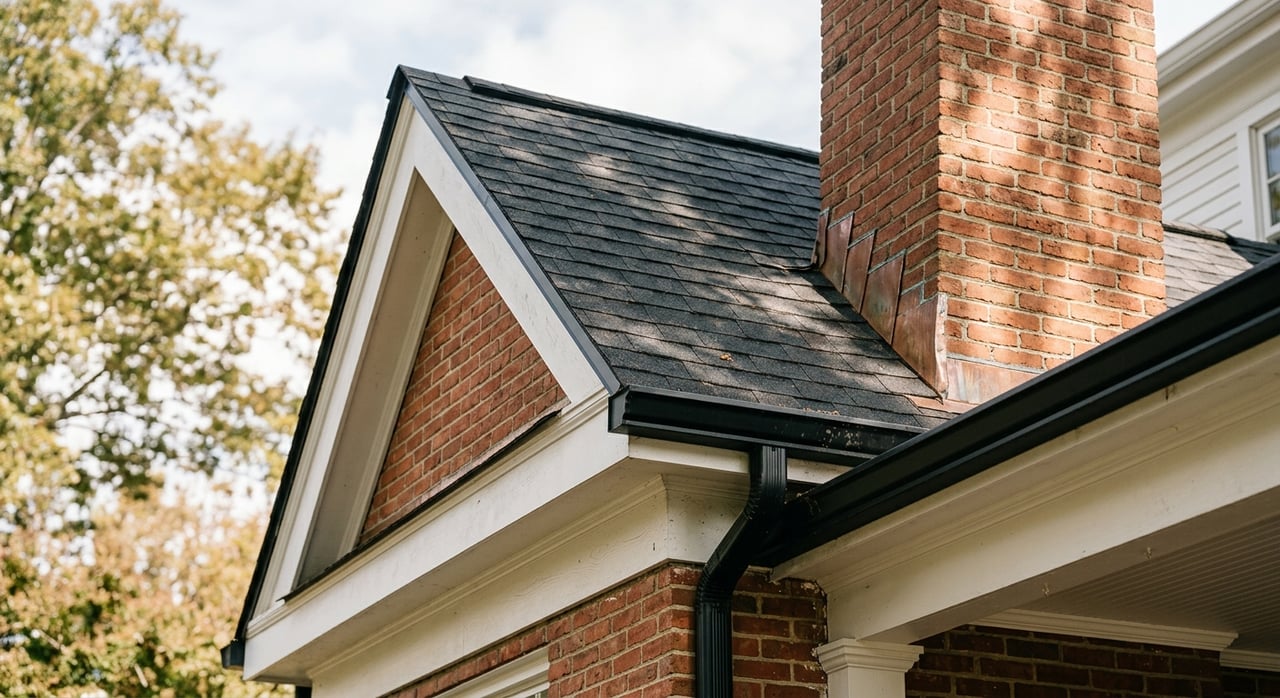
Start with the roof, especially after winter weather and early spring storms. Look for visible wear at roof edges and inspect areas around chimneys, valleys, plumbing vents, and skylights. If you notice attic staining or signs of water intrusion, flashing may need attention.
High winds can damage flashing and create openings where water can enter. In a neighborhood with older homes, this is especially worth checking after thunderstorms or hail. If you cannot inspect safely from the ground, it may be time to call a qualified professional.
Spring is also a good time to make sure gutters and downspouts are flowing well. Water should move away from the home, not collect near the foundation or crawlspace. On sloped lots, even a small drainage issue can send water toward stairs, retaining walls, or low points around the house.
Walk your property after a heavy rain if possible. That is often the easiest way to spot pooling water, splashback, soil erosion, or downspouts that need adjustment. In Candler Park, that simple habit can reveal issues that are easy to miss on a dry day.
Older painted wood surfaces often show wear in spring. Check trim, porch railings, columns, stair treads, and exposed exterior wood for peeling paint, softness, cracks, or signs of moisture damage. This matters even more in homes with decorative woodwork or older bungalow detailing.
Porches and steps deserve special attention because they take daily wear and direct exposure to rain. If anything feels soft, uneven, or slick, put repairs on your short list. Small fixes now can help you avoid bigger structural work later.
Spring is a good season to check for pests and wet conditions in basements or crawlspaces. Signs of concern may include mud tubes, damaged wood, damp surfaces, or musty smells. If termite or other wood-destroying insect treatment is needed, Georgia requires licensed structural-pest operators for that work.
You should also test smoke and carbon monoxide alarms in spring. It is a quick task, but it is easy to overlook when you are focused on exterior projects.
Summer maintenance in Candler Park is mostly about comfort, cooling performance, and moisture control. Heat and humidity put pressure on older systems and older building envelopes. If your home feels stuffy, unevenly cooled, or damp, summer is the right time to get proactive.
Check HVAC filters regularly during heavy cooling season. EPA notes that many filters need replacement every 60 to 90 days, while the Department of Energy recommends checking monthly or every two months during periods of heavy use, or sooner if dust and pets cause them to load up faster.
It also helps to clean coils and drain pans and keep the outdoor condenser clear. These basic steps can improve airflow and help your system run more efficiently. In older homes, where cooling loads can be higher, regular HVAC attention can make a noticeable difference.
Summer is a practical time to address visible gaps around doors, windows, and utility penetrations. Air sealing can improve comfort and help lower cooling costs. This is especially relevant in older homes with original or aging windows, older framing details, or areas where materials have shifted over time.
You do not need to overcomplicate this step. Start by noticing where hot air seems to enter or where cooled air seems to escape, then prioritize the most obvious trouble spots.
Mature trees are one of Candler Park’s defining features, but they also add maintenance needs. During hot, dry periods, trees may benefit from deep watering. Mulch can also help with drainage and erosion control, which is useful on sloped lots or around planting beds near the home.
Summer is also a smart time to look up. If limbs appear stressed, overextended, or too close to the roof, it may be wise to plan trimming before storm season causes a problem.
Warm weather can make pest activity easier to spot. If you see sawdust, tunnels, or unusual holes in wood trim, porches, or eaves, those may be signs of carpenter bees or carpenter ants. Both can damage wooden structures in Georgia.
The sooner you investigate suspicious activity, the easier it is to limit damage. This is especially important for homes with painted wood siding, trim, or porch details.
Fall is your best chance to prepare the house before colder weather sets in. Since the average first freeze in Atlanta is around November 13, it helps to finish most of this work in early to mid-fall. Waiting until the first cold snap can make simple jobs harder and more urgent.
Falling leaves and storm debris can block gutters and downspouts quickly. Clean them out and make sure water still exits well away from the house. This is one of the simplest ways to reduce moisture problems during winter rains.
While you are outside, check for any new drainage concerns around walkways, retaining walls, and foundation areas. Fall is a good time to correct these issues before colder weather arrives.
Fall is a good time to have furnaces, boilers, and water heaters tuned. You should also test smoke and carbon monoxide alarms again. These small seasonal habits can help reduce surprise problems once temperatures drop.
If your home has older mechanical systems, this check can be especially valuable. Many older intown homes perform well when maintained consistently, but they often do not respond well to deferred service.
Weatherstripping doors and windows can help reduce drafts and heat loss. Fall is also a smart time to inspect plumbing drains and traps for leaks, clean dryer vents, clear outdoor air intakes and screens, and drain outdoor faucets and hoses.
These are easy tasks to postpone, but they can help prevent larger winter issues. In homes with older materials or less insulation, seasonal sealing and moisture prevention matter even more.
Atlanta winters are usually mild, but freezes still happen. In older homes with crawlspaces, exterior-wall plumbing, or rooms that are not heated consistently, winter problems can show up fast. The goal in winter is to protect pipes, monitor leaks, and notice signs of heat loss.
Pipes in colder or unconditioned parts of the home can freeze and burst. Pay close attention to crawlspaces, utility areas, and any plumbing located along exterior walls. If parts of the house stay cooler than others, those areas deserve extra monitoring during freeze events.
Even short cold snaps can create problems if a vulnerable pipe is overlooked. A quick winter check is often enough to spot risk before damage happens.
If you notice drafts, cold rooms, or signs that warm air is escaping, make note of them during winter. Fannie Mae also notes that icicles can be a clue to heat loss, though Atlanta’s winters are usually too mild for that to be common. In Candler Park, drafty windows, aging seals, and attic-related heat loss are often more practical clues.
Winter is also a useful time to notice where the home feels less efficient. Those observations can guide spring or summer improvements.
Rain and freeze-thaw cycles can reveal roof and flashing problems through water intrusion rather than obvious shingle failure. Look for ceiling stains, attic dampness, or moisture around vulnerable areas after storms. Catching those clues early can keep a minor repair from becoming a larger interior project.
Routine maintenance is not just about avoiding repair bills. It can also help your home show better and reduce the appearance of deferred maintenance if you decide to sell. Appraisals consider overall condition, property maintenance, and landscaping, while home inspections typically focus on major systems and visible condition issues like roofing, plumbing, heating and cooling, interiors, insulation, ventilation, and fireplaces.
That does not mean every maintenance dollar creates a guaranteed return. It does mean that a steady upkeep routine can make your home easier to present and easier for a buyer to understand. In a neighborhood like Candler Park, where charm and condition often go hand in hand, that can matter.
Fannie Mae recommends budgeting about 1% to 4% of your home’s value each year for maintenance, with older homes often leaning toward the higher end. For many owners, it also helps to keep a simple file with records for roof work, HVAC service, pest control, tree trimming, and drainage repairs. If you ever sell, organized records can make your preparation process much smoother.
If you are thinking about maintaining your home with resale in mind, or planning improvements before a future move, Werner Homes Collective can help you think through what matters most in Candler Park and what buyers are most likely to notice.
Stay up to date on the latest real estate trends.



Partnering with Alexis means working with someone who values preparation, transparency, and results. With years of behind-the-scenes experience on hundreds of transactions, every step is approached with strategy, care, and attention to detail. Clients don’t just get representation — they get an advocate.
WERNER HOMES COLLECTIVE
1 W Ct Square Ste 750 Decatur GA 30030