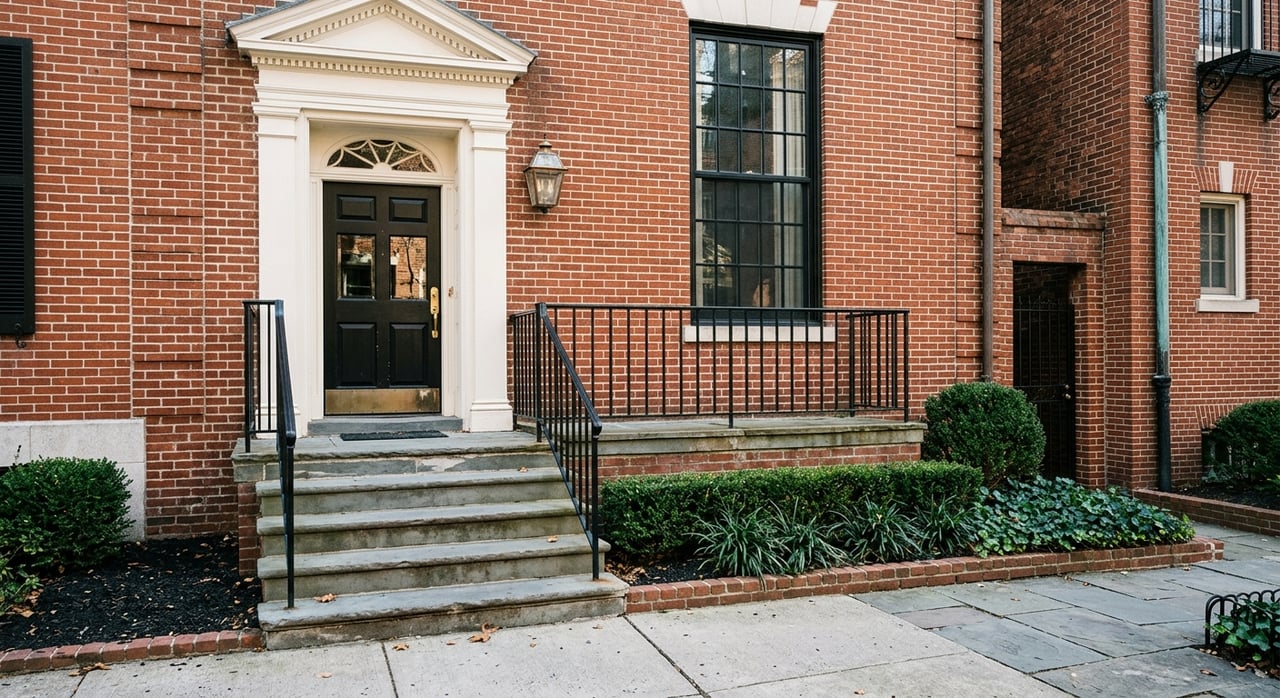
Inman Park Townhomes vs. Houses: Which Home Fits Best?
April 2, 2026
April 2, 2026
Trying to decide between a townhome and a house in Inman Park? You are not alone. In this neighborhood, the choice is not just about square footage or price. It is also about walkability, maintenance, outdoor space, parking, and how much flexibility you want over the property. If you are weighing both options, this guide will help you compare the tradeoffs and focus on what fits your lifestyle best. Let’s dive in.
Inman Park is not a typical intown neighborhood. It is an official Atlanta historic district, which means exterior alterations, new construction, and demolition generally require city review and a Certificate of Appropriateness.
That matters whether you are looking at a townhome or a detached house. If you plan to make visible exterior changes later, you will want to factor in those review steps early.
Inman Park also stands out for location and convenience. Walk Score rates it 87 out of 100, making it one of Atlanta’s most walkable neighborhoods, and the Atlanta BeltLine Eastside Trail runs through the area with access to destinations like Krog Street Market.
That kind of walkability is not just a lifestyle perk. The National Association of Realtors reports that 79% of respondents say walkability is very or somewhat important, and 78% say they would pay more for a walkable community.
If you assume townhomes are always much cheaper, Inman Park may surprise you. Current neighborhood data shows 7 single-family homes for sale with an average list price of $1,177,571 and 6 townhouses for sale with an average list price of $918,000, according to Homes by Marco’s Inman Park page.
That points to a price gap, but not a huge one. In this neighborhood, both property types can reach luxury price points.
The overlap is real. Sample townhomes range from a recent sold 2-bedroom at $615,000 to active 3-bedroom listings at $995,000 and $1.605 million, while detached homes range from around $775,000 to more than $2.1 million based on the sample set in the research.
You should also know that market snapshots vary by source. Realtor.com’s Inman Park market page shows a median for-sale price of $585,000 in February 2026, while Redfin’s February 2026 page reports a median sale price of $850,000 and a 96.9% sale-to-list ratio. These figures are best treated as directional because they measure different things.
Townhomes often make sense if you want an intown lifestyle with less exterior upkeep. In a neighborhood like Inman Park, where you may spend more time walking to restaurants, coffee shops, and the BeltLine, that can be a strong advantage.
A townhome may be a better fit for you if you value:
This is where HOA structure becomes important. According to the CFPB, HOA dues are usually paid separately from your mortgage and can range from a few hundred dollars per month to more than $1,000.
Local examples in Inman Park show that these costs are meaningful. Current townhouse communities in the research include Brickworks at roughly $253 to $454 per month, Emerson on Krog at about $192 to $365 per month, and one 3-bedroom Inman Village townhome with dues of $342 per month.
Those fees may cover services that reduce your to-do list. Fannie Mae notes that HOA fees can help pay for ground maintenance, lawn and garden care, and other community upkeep. Still, you should read the CC&Rs carefully, because what the association handles can vary widely.
A detached house may be the better choice if you want more privacy, more indoor flexibility, or a larger yard. Inman Park houses range from smaller historic properties to larger and newer homes, so the category itself includes a wide range of living styles.
A house may be a better fit for you if you want:
Outdoor space is often one of the clearest differences. Sample townhomes in the research include lots around 871 square feet and 1,306.8 square feet, while detached homes include much larger lots such as 4,791 square feet and 0.38 acres.
That does not mean every house has a big yard or every townhome lacks useful outdoor space. It simply means you are more likely to find larger private exterior space with a detached home.
For many buyers, this is the make-or-break category. Detached homes typically put more maintenance responsibility directly on you, while townhomes may shift part of that burden to the HOA.
Fannie Mae recommends budgeting about 1% to 4% of a home’s value each year for maintenance and repairs. That can include gutters, siding, porches, stairs, and landscaping.
If you buy a house in Inman Park, you should plan for both the cost and the time involved. If you buy a townhome, you may have fewer exterior tasks on your plate, but you will likely pay monthly dues in exchange.
Here is a simple way to think about it:
| Priority | Townhome | House |
|---|---|---|
| Exterior upkeep | Often shared through HOA | Usually owner-managed |
| Monthly fees | More common | Possible, but less predictable |
| Yard size | Usually smaller | Usually larger |
| Privacy | Typically less | Typically more |
| Flexibility | Depends on HOA and historic rules | More, but still affected by historic rules |
One important note: a house does not automatically mean no HOA. The CFPB and Fannie Mae both note that some single-family homes can also have HOA dues, so you should review each property rather than assume.
In Inman Park, parking is worth extra attention. The Inman Park Festival organizers specifically note that parking in the neighborhood is difficult and encourage walking, biking, or MARTA.
That is useful real-world context for buyers. You should verify whether a home has a garage, driveway, carport, or assigned parking instead of assuming a townhome or house will automatically solve the issue.
For some buyers, easy parking is a daily convenience. For others, a car-light lifestyle may make walkability the bigger priority.
Some buyers assume detached homes offer complete freedom and townhomes come with all the restrictions. In Inman Park, the reality is more layered.
Because the neighborhood is a designated historic district, exterior changes generally require city review. That can affect projects like visible additions, façade changes, demolition, or other exterior work.
So while a detached house may offer more control in some ways, both houses and townhomes can come with limits on what you can change from the outside. If renovation flexibility is high on your list, this should be part of your due diligence from day one.
The best choice often comes down to how you want to live, not just what looks better on paper.
If your ideal week includes walking to dinner, hopping on the BeltLine, traveling often, and spending less time on yard work, a townhome may feel like the right match. Inman Park’s high walkability and transit-friendly setting support that kind of routine well.
If you picture yourself wanting more outdoor space, more interior separation, and a property that feels more independent, a house may be worth the higher price and maintenance commitment. That can be especially true if long-term flexibility matters more to you than a simpler upkeep model.
A good decision usually comes from comparing these five questions:
From a resale standpoint, Inman Park has strong fundamentals that support demand for both property types. Its historic character, BeltLine access, and walkability all help keep the neighborhood appealing.
Still, long-term value is not just about location. Lot size, condition, HOA burden, parking, and renovation flexibility all shape how a specific property may perform over time.
That is why the townhome-versus-house decision should stay property-specific. In Inman Park, broad assumptions can miss the details that matter most.
If you want help weighing the real tradeoffs between two homes or narrowing your search in Inman Park, Werner Homes Collective offers thoughtful, neighborhood-first guidance, including support for local and remote buyers.
Stay up to date on the latest real estate trends.


Partnering with Alexis means working with someone who values preparation, transparency, and results. With years of behind-the-scenes experience on hundreds of transactions, every step is approached with strategy, care, and attention to detail. Clients don’t just get representation — they get an advocate.
WERNER HOMES COLLECTIVE
1 W Ct Square Ste 750 Decatur GA 30030