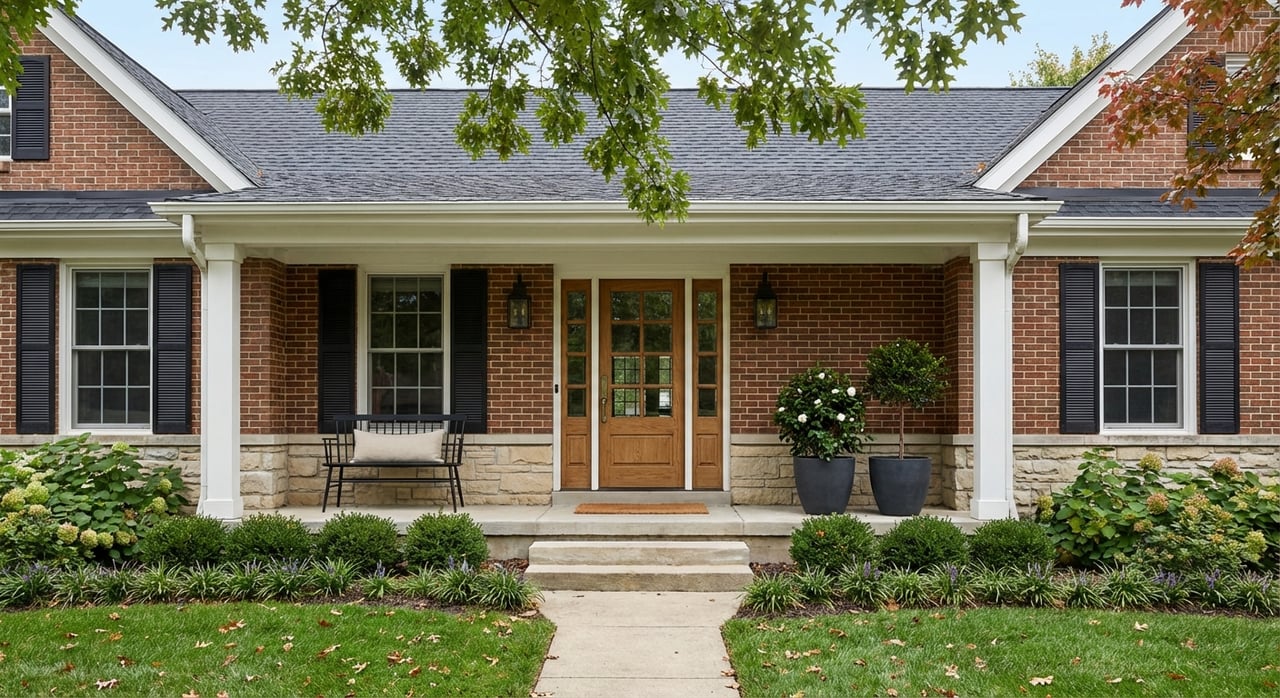
6-Week Plan to Prepare Your Morningside-Lenox Park Home
February 19, 2026
February 19, 2026
Thinking about selling your home in Morningside–Lenox Park? You are in a neighborhood where buyers love character homes, leafy streets, and quick access to intown amenities, and many expect move-in-ready condition. Getting your house prepped the right way can mean faster offers, fewer surprises, and a stronger final price. This guide gives you a clear, local step-by-step plan for inspections, repairs, staging, pricing, timing, and disclosures so you can list with confidence. Let’s dive in.
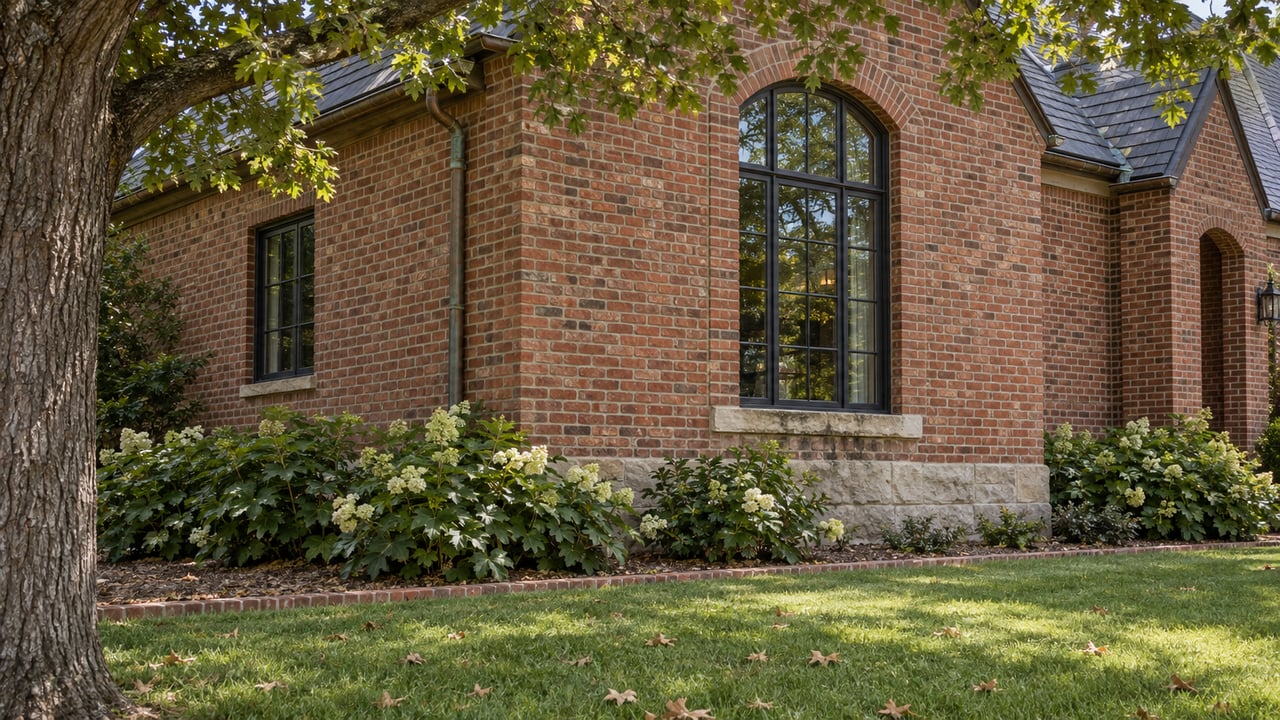
Morningside–Lenox Park draws intown shoppers who value period details, mature trees, and proximity to parks and Midtown. The neighborhood’s 1920s roots shine through in bungalows and Tudor/Craftsman styles, and the active civic association keeps community information organized for residents and buyers alike. You can point interested buyers to neighborhood context from the Morningside–Lenox Park Association as part of your listing materials.
Most buyers search online first and want updated kitchens and bathrooms, flexible rooms for a home office, and inviting outdoor areas. Your job is to present those priorities clearly in photos and copy so the right buyers see the fit before they step inside.
Recent neighborhood snapshots show higher price points and longer days on market compared with broader Atlanta, which makes preparation matter. Realtor.com reported a median home value of about $1,112,500 with a median of roughly 81 days on market, while Redfin showed a median sale price near $1.18 million and about 105 days on market. You can review the latest figures on Realtor.com’s Morningside–Lenox Park page and Redfin’s neighborhood summary.
If your schedule allows, aim to go live in early spring. Many Atlanta-area sellers see stronger activity when they list in April and capture peak buyer demand in May. See the seasonality insights here: best time to sell guidance.
Georgia practice expects sellers to disclose known material or latent defects. Many Atlanta transactions use the Georgia Association of REALTORS Seller’s Property Disclosure forms to document property knowledge and repairs. Ask your agent which GAR forms apply and review them well before listing. You can reference the standard practice using the GAR disclosure exhibits.
If your home, or any painted components, were built before 1978, federal law requires a lead-based paint disclosure and delivery of the EPA/HUD pamphlet to buyers, along with an opportunity for a lead inspection. Read the federal overview here: EPA lead-based paint disclosure rule.
Keep a tidy folder with permits, warranties, service records for roof, HVAC, and mechanicals, plus any termite or WDO reports. Organized documentation speeds up due diligence and signals a well-cared-for home.
A seller-ordered inspection gives you a clear picture of condition and lets you fix issues on your timeline. Pre-listing inspections often reduce renegotiations and fall-throughs, particularly in older intown homes. Typical cost runs about $300 to $500 for a standard inspection. Learn more from this pre-listing inspection guide.
In Georgia, buyers and lenders often expect a termite or WDO report. This is a separate inspection performed by a licensed pest contractor and is common in the Southeast. Get familiar with the practice and forms through the NPMA WDO information.
Focus first on items that affect safety, insurability, and financing. In Morningside-era homes, the short list usually includes roof condition, electrical panel type and safety, plumbing materials and active leaks, HVAC age and service status, and any moisture or structural concerns. These are the issues most likely to trigger buyer repair requests or lender flags. A pre-listing inspection will help you prioritize.
For return on investment, modest curb appeal updates and targeted kitchen or bath refreshes typically outperform major additions. Regional Cost vs Value data for the Atlanta area shows smaller, well-chosen projects often recoup more at resale than upscale overhauls. You can explore project recoup trends here: Atlanta Cost vs Value data.
Typical cost ranges from local experience and national guidance:
If budgets are tight, fix the items that would block financing, then consider a price strategy or a closing credit for remaining cosmetic work.
Staging and professional photography are non-negotiable at this price point. The National Association of REALTORS reports that staging shortens time on market and can lift offers, with many agents seeing a 1 to 10 percent increase on staged homes. The median professional staging cost is about $1,500. You can review those findings in NAR’s home staging report highlights.
Professional photography packages for single-family homes often range from $150 to $350 depending on services. Add a 3D tour or video when floor plan clarity or remote buyer reach is important.
What to emphasize for Morningside–Lenox Park buyers:
Use this typical timeline to structure your to-dos. Adjust for scope and contractor availability.
Week 0: Meet your listing agent for a target CMA and a prep plan. Align on your goal price, timing, and budget.
Weeks 1–2: Book a pre-listing inspection ($300 to $500) and a termite or WDO report if customary in your transaction type. If your home predates 1978, prepare the federal lead disclosure and pamphlet. See pre-listing inspection guidance and NPMA WDO info.
Weeks 2–6: Complete high-priority repairs first. Schedule HVAC service, electrical safety fixes, roof patches, and any moisture mitigation. Get written invoices for your disclosure file.
Weeks 3–5: Tackle cosmetic prep in parallel. Plan a deep clean and targeted interior painting. Schedule staging. Book professional photography and, if useful, a 3D tour.
Week 6: Final touch-ups, then photos on a clear day. Launch to MLS midweek to capture weekend traffic. If feasible, time your launch for early spring to ride peak buyer activity, supported by best time to sell insights.
Keep an eye on holding costs like mortgage, utilities, lawn care, and insurance as you decide how much to invest before listing.
Inventory in Morningside–Lenox Park tends to be thinner and competes with nearby intown neighborhoods with similar character. Before you spend on larger upgrades, ask your agent for a current MLS-based Comparative Market Analysis that reflects condition and recent buyer behavior. Use it to choose among three smart approaches: make targeted repairs, disclose and price for condition, or offer a closing credit. Cross-check your project list against Atlanta Cost vs Value data to avoid over-improving.
Most buyers shortlist homes from their phones. Package your listing with measured floor plans, a complete room list, and a clear highlight reel of neighborhood amenities like parks and commuter routes. National trends show that high-quality photos, video, and virtual tours drive the most traffic and help buyers decide to tour. See these buyer and seller trends driving home sales.
You can position your home to win by pairing honest condition prep with an elevated presentation. Start with inspections, fix the items that could derail a deal, stage what you have with a light, neutral look, and support it with strong visuals. Time your launch to meet demand, and use an MLS-backed pricing strategy.
If you want a local, advisor-first plan tailored to your timeline and budget, we are here to help. Schedule your consult with Werner Homes Collective and let’s map out a step-by-step path to your best result.
Stay up to date on the latest real estate trends.


Partnering with Alexis means working with someone who values preparation, transparency, and results. With years of behind-the-scenes experience on hundreds of transactions, every step is approached with strategy, care, and attention to detail. Clients don’t just get representation — they get an advocate.
WERNER HOMES COLLECTIVE
1 W Ct Square Ste 750 Decatur GA 30030