Kirkwood Atlanta Real Estate Investment: Long-Term Potential
April 23, 2026
April 23, 2026
If you are looking at Kirkwood as an investment play, the big question is not whether people want to live intown. It is whether you can buy with discipline, manage the details, and hold for the right reasons. In a neighborhood with historic housing, a strong owner-occupied base, and several long-term mobility and redevelopment factors in motion, the opportunity is real, but so is the need for careful underwriting. Here is what you should know before you make a move in Kirkwood.
Kirkwood stands out because it combines established neighborhood character with intown Atlanta access. It is not a blank-slate market with endless new land, which means your upside often comes from buying the right property, improving it thoughtfully, and keeping a close eye on basis.
The area also sits within Atlanta's NPU O, part of the city's Neighborhood Planning Unit system. That matters because neighborhood input can influence zoning, land use, and planning recommendations tied to future projects.
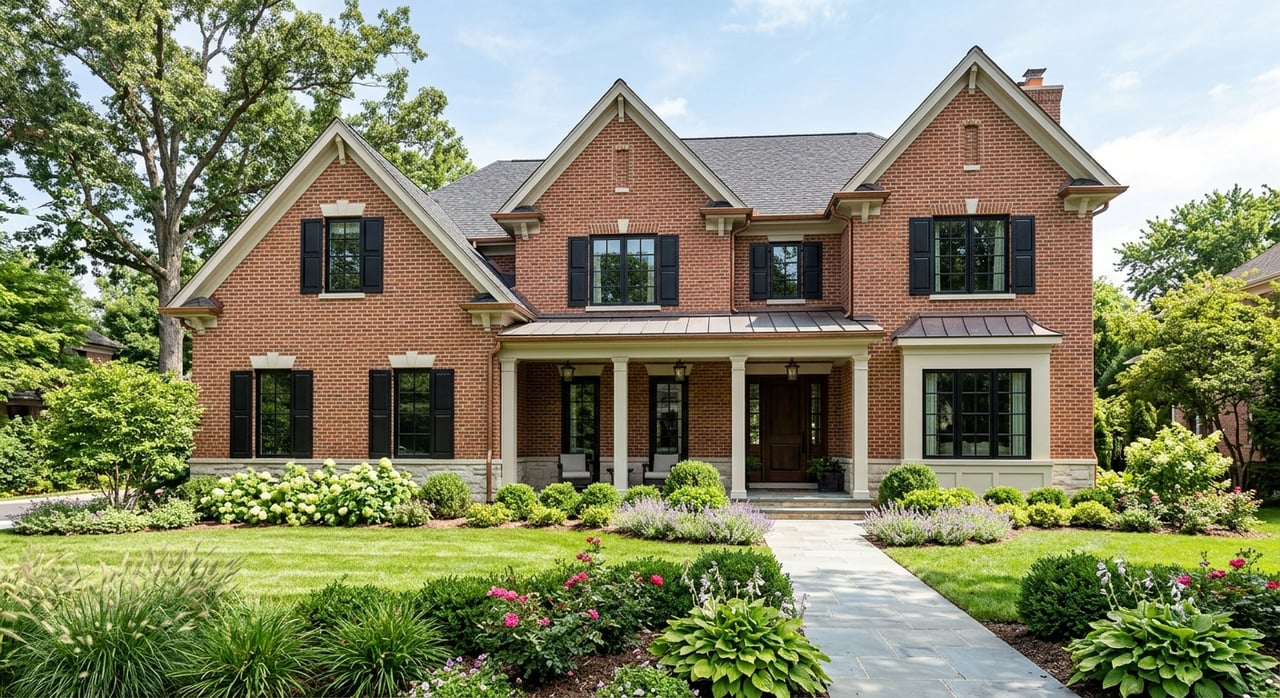
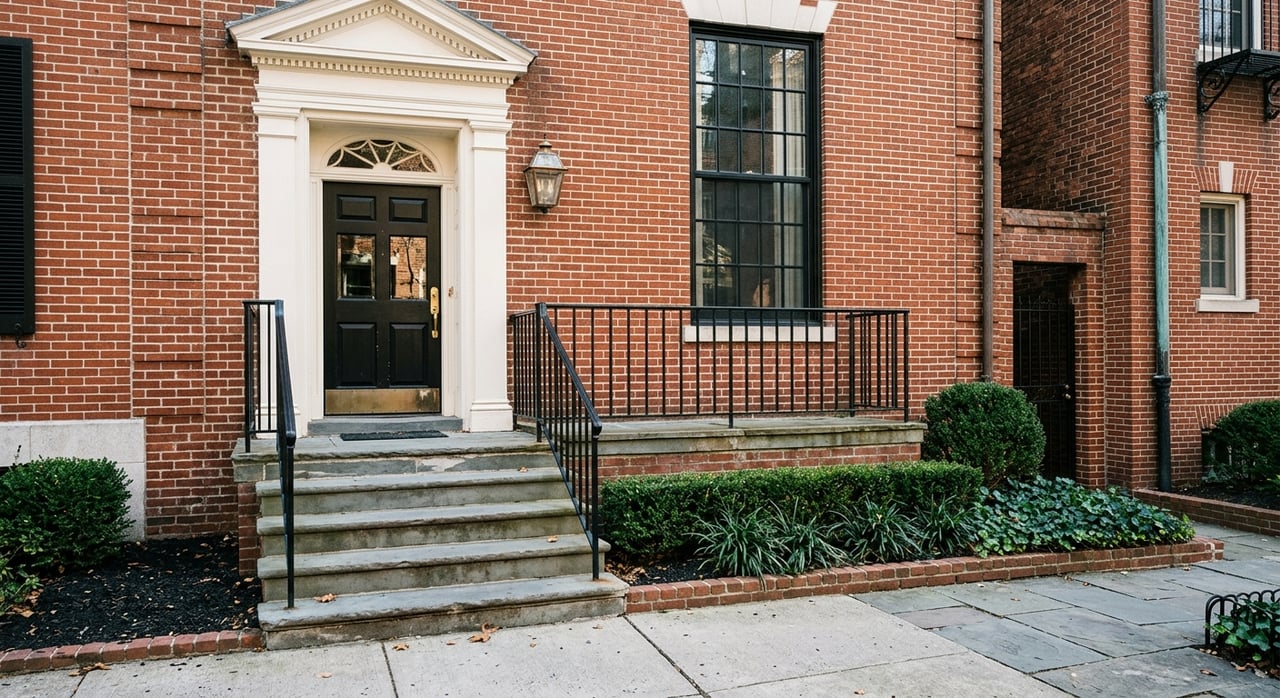
Part of Kirkwood's long-term appeal comes from its established housing stock. The Kirkwood Historic District was listed on the National Register of Historic Places in 2009, and the area includes notable Queen Anne and Colonial Revival architecture.
For investors, that history can support neighborhood identity and long-term desirability. It can also add complexity if you are planning exterior changes, additions, demolition, or new construction in areas subject to historic review.
The City of Atlanta outlines its historic preservation rules and Certificate of Appropriateness guidance for work in historic or landmark districts. In practical terms, you should never assume a renovation plan is straightforward until you verify what approvals may apply.
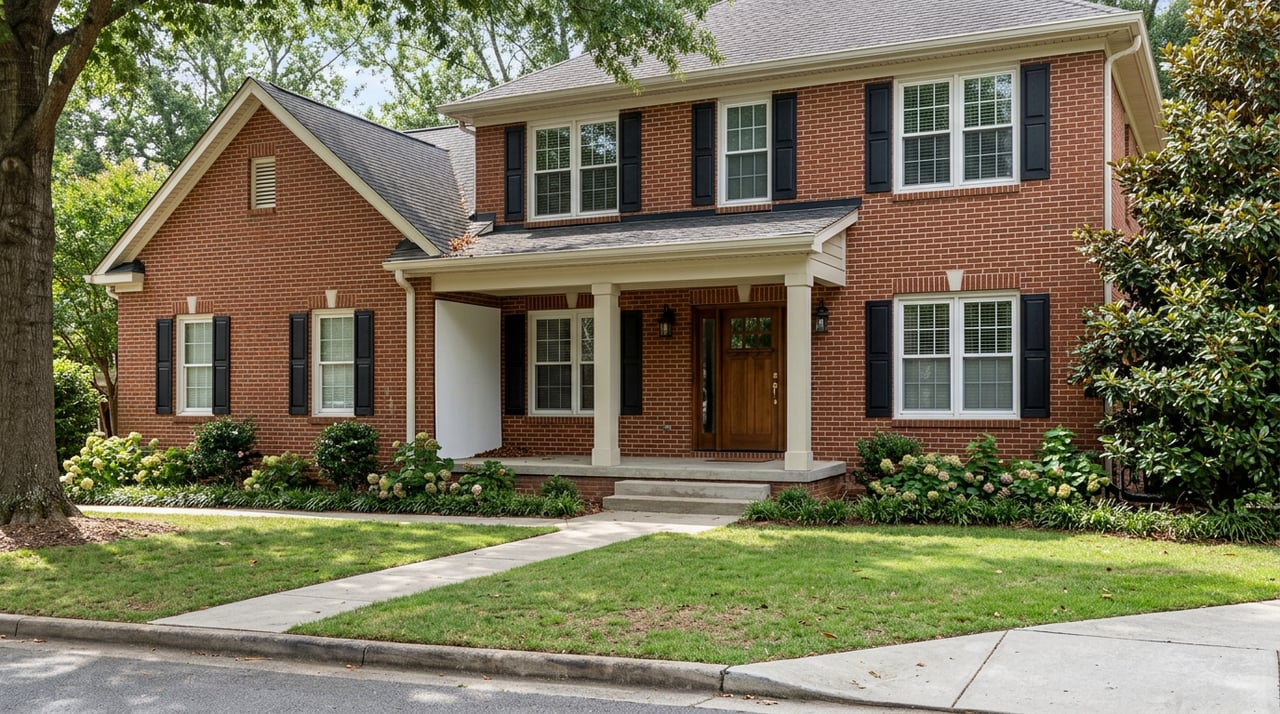
Kirkwood remains primarily a detached-home neighborhood. According to Point2Homes neighborhood data, about 70% of housing units are 1-unit detached, and the median construction year is 1958.
That age profile matters. Point2Homes reports that 17.7% of homes were built before 1940 and another 19.1% were built in the 1940s, which suggests a large share of the neighborhood consists of older housing that may require updates, maintenance planning, or more careful renovation budgeting.
For you, that usually means Kirkwood looks more like a value-add and buy-and-hold market than a simple land-bank story. Infill exists, but much of the opportunity is tied to renovation, selective redevelopment, and smart acquisition discipline.
One of the biggest mistakes investors make is treating every market metric as if it means the same thing. In Kirkwood, the numbers tell a useful story, but only if you read them in context.
Redfin's Kirkwood housing market page reported a March 2026 median sale price of $737,500, up 5.4% year over year, with a median of 50 days on market. By contrast, Zillow's March 31, 2026 home-value estimate for Kirkwood was $589,828, with a median list price of $501,633.
Those figures are not interchangeable. Closed-sale prices, active list prices, and automated value estimates each measure something different, so using one number as the whole market story can lead to bad assumptions about resale, rent coverage, or renovation margin.
What does seem clear is that Kirkwood sits above the broader Atlanta baseline. Zillow's Atlanta housing page shows Kirkwood's $589,828 home-value estimate compared with $385,599 for Atlanta overall, which reinforces the neighborhood's stronger pricing position relative to the city.
If you are thinking about a long hold, the rental picture matters just as much as resale potential. Kirkwood appears to be an owner-heavy neighborhood, but one with enough renter demand to support well-located rental property.
RentCafe's Kirkwood rent data estimated average monthly rent at $1,941 in March 2026. It also estimated average rents of $1,698 for one-bedroom units, $2,023 for two-bedroom units, and $3,321 for three-bedroom units.
RentCafe also estimates that 32% of households are renter-occupied and 68% are owner-occupied. That mix points to a neighborhood where ownership remains dominant, while rental demand is still meaningful enough for smaller rentals and thoughtful buy-and-hold strategies.
A neighborhood's long-term investment case depends on more than home prices. Income levels and educational attainment can help explain why housing demand holds up over time.
For the 30317 ZIP code, which includes much of Kirkwood, Census Reporter shows a median household income of $107,955, per-capita income of $66,591, and 61.6% of residents with a bachelor's degree or higher. Those figures help support the case for durable housing demand over a longer holding period.
That does not remove market risk, of course. It does suggest that Kirkwood's appeal is tied to more than short-term momentum.
Although detached homes define much of Kirkwood, the current market includes other product types too. That can matter if you are deciding between a resale-focused townhouse, a smaller rental footprint, or a traditional detached-home renovation.
Redfin's Kirkwood townhouse market page reported 14 condos, 9 townhouses, and 1 multifamily unit for sale last month, with townhouses at a median asking price near $510,000. The page also points to contemporary infill along Memorial Drive, showing that new product continues to enter the market in select pockets.
For investors, this mix suggests Kirkwood is not one-dimensional. You may find opportunities in newer attached housing, but parcel-specific analysis still matters because product type, pricing strategy, and renovation risk vary widely.
Before you underwrite any expansion, conversion, or redevelopment plan, verify the exact parcel details. Kirkwood's official zoning materials show a patchwork that includes R-4A residential, NC-3 neighborhood commercial, and LD Pratt-Pullman designations on area maps.
You can review the official zoning sheet for this area. The main takeaway is simple: do not assume use, density, parking, or expansion potential without checking the parcel itself.
If a project depends on approvals, entitlement risk becomes part of your investment thesis. Atlanta's Zoning Review Board process considers NPU recommendations before forwarding recommendations to City Council's Zoning Committee, which is one reason timelines and community feedback can matter so much.
The city also explains when a Special Administrative Permit may be required for exterior demolition, new construction, additions, and certain facade changes. If you want more clarity before closing, zoning verification letters can help confirm current zoning, overlays, and historic or landmark district status.
Kirkwood's investor story is also tied to long-term connectivity. One notable project is the Eastside Trolley Line Trail, which the City of Atlanta says will convert the historic Atlanta-Decatur trolley line into a linear park and multi-use trail connecting Kirkwood, Edgewood, and Reynoldstown with the BeltLine, Coan Park, Gilliam Park, and other destinations.
Projects like that can strengthen neighborhood connectivity over time, which is often a positive factor for long-term housing demand. They are not instant value guarantees, but they do matter when you are evaluating the area's future appeal.
Transit access is another relevant point. MARTA's East Lake Station rehab page references Reach Zone 302 for Kirkwood/Candler Park, reinforcing the area's transit-adjacent profile.
You should also keep an eye on nearby redevelopment complexity around Pullman Yard. The City of Atlanta's Brownfield Program page for Pullman Yard describes the 26.84-acre site, its railroad-industrial history, and cleanup efforts supported by EPA grants and a Brownfield Revolving Loan Fund. That kind of project can point to long-term reuse potential, but it also highlights the reality that redevelopment in established intown locations often comes with environmental and entitlement layers.
Kirkwood does have a credible long-term investment case, but it is not the kind of market where you can rely on a single appreciation story. The stronger case is built on older housing stock, established neighborhood identity, relatively strong local incomes, a meaningful owner-occupied base, steady renter demand, and infrastructure or redevelopment projects that may support future demand.
At the same time, the risks are clear. Basis discipline matters, renovation costs can move quickly in older homes, and zoning or historic-review constraints can affect timelines, scope, and return.
That is why Kirkwood tends to make the most sense for investors who are patient, detail-oriented, and realistic about execution. If your strategy is buy-and-hold, selective value-add, or careful infill where the approvals and numbers truly work, the neighborhood may deserve a closer look.
If you are weighing a purchase, a resale, or a neighborhood-specific strategy in Kirkwood, Werner Homes Collective brings the local, advisor-first perspective that helps you evaluate the details with confidence.
Stay up to date on the latest real estate trends.

Partnering with Alexis means working with someone who values preparation, transparency, and results. With years of behind-the-scenes experience on hundreds of transactions, every step is approached with strategy, care, and attention to detail. Clients don’t just get representation — they get an advocate.
WERNER HOMES COLLECTIVE
1 W Ct Square Ste 750 Decatur GA 30030