Kirkwood Atlanta Home Prices and Intown Value
May 21, 2026
May 21, 2026
If you have been priced out of Atlanta’s most in-demand intown neighborhoods, Kirkwood may be one of the few places that still feels like a smart compromise without feeling like a compromise at all. Buyers here are not chasing a cheap entry point. They are looking for character, location, and a better value story than they may find in some nearby east-side neighborhoods. If you are wondering whether Kirkwood still makes sense in today’s market, the numbers and the neighborhood itself offer a useful answer. Let’s dig in.
Kirkwood is best understood as a relative value play, not a bargain neighborhood. In Redfin’s March 2026 snapshot, Kirkwood’s median sale price was $737,500, with a median price per square foot of $367 and a median of 50 days on market. Redfin also classifies the neighborhood as very competitive.
That means you should not expect deep discounts just because you are looking east of some of Atlanta’s most established intown areas. Instead, the appeal is that Kirkwood can offer a lower price per square foot than several nearby neighborhoods buyers often cross-shop. For many buyers, that creates a better balance between budget, location, and home style.
When you compare Kirkwood with nearby intown markets, the value case becomes clearer. Kirkwood’s $367 per square foot sits below 30306 at $401, 30307 at $407, Virginia-Highland at $447, Inman Park at $484, and Candler Park at $388. That does not mean every Kirkwood home is less expensive, but it does suggest buyers may get more space or a lower entry point for a similar intown lifestyle.
This is why Kirkwood often appeals to buyers who want established neighborhood character without paying the very top tier of east-side pricing. If your priorities include access to intown Atlanta, older housing stock, and room to personalize your home search, Kirkwood deserves a close look.
It is also worth noting that Kirkwood is not the discount section of the broader 30317 ZIP code. The wider ZIP has a median sale price of $642,000, while Kirkwood itself sits above that level at $737,500. That suggests the neighborhood carries its own demand and identity inside the area.
For buyers, this matters because it supports the idea that Kirkwood is not just affordable by comparison. It is a neighborhood people actively seek out, likely because of its renovated homes, established street grid, and intown positioning. In other words, the value case is tied to demand, not a lack of it.
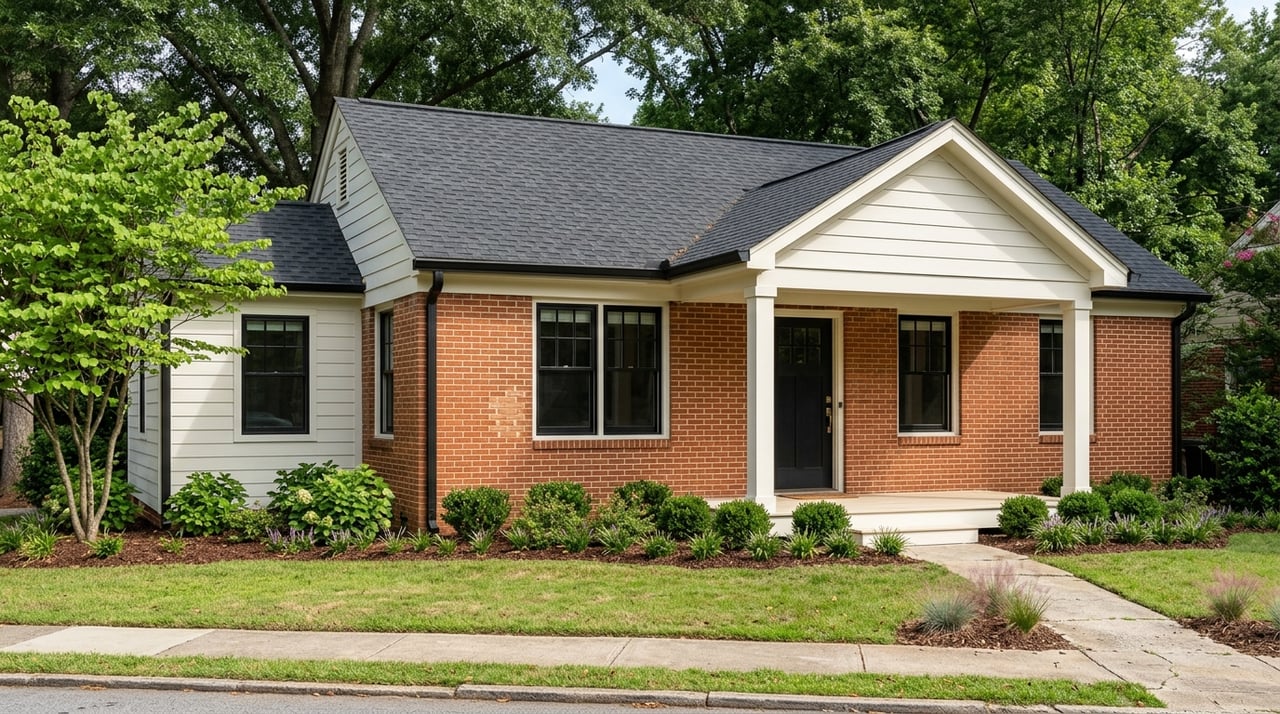
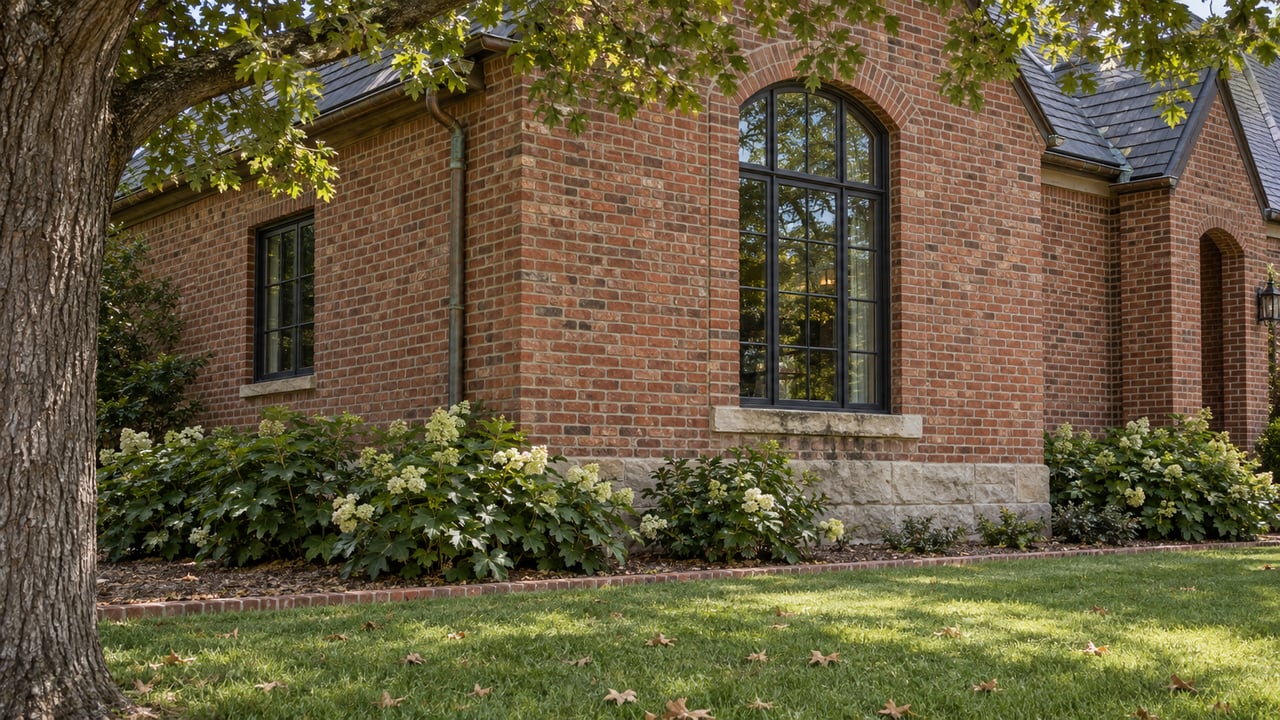
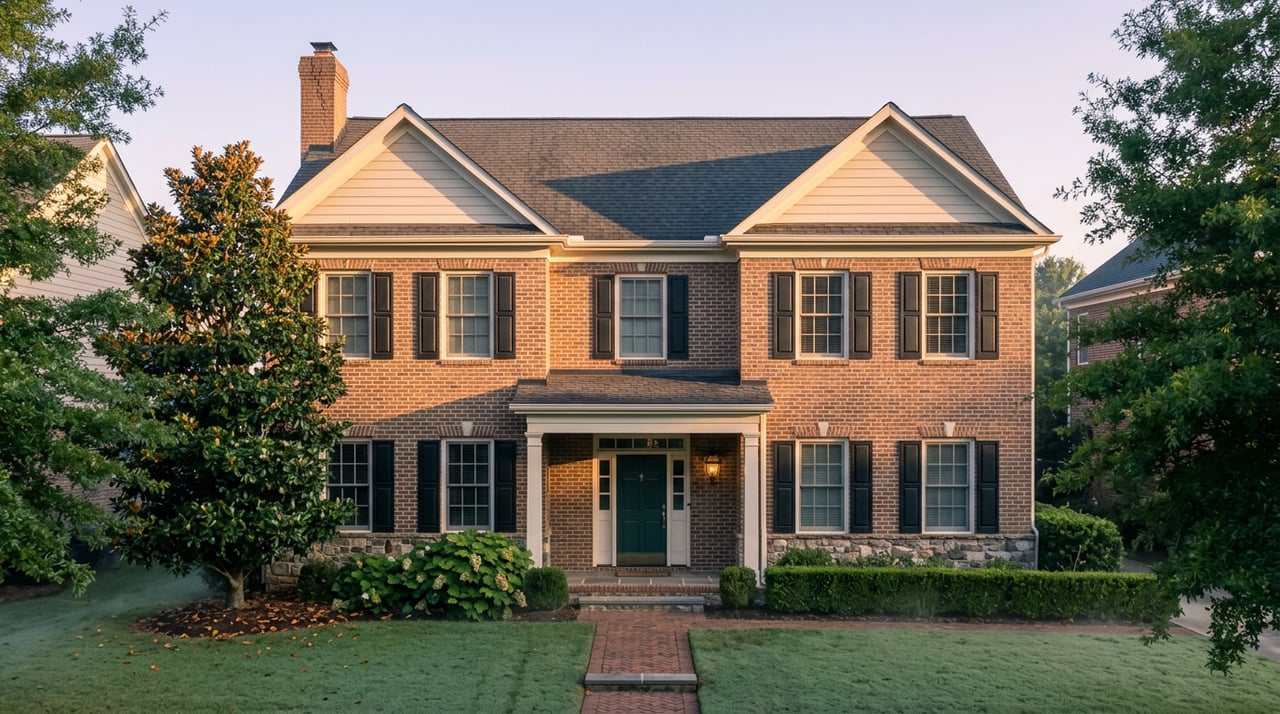
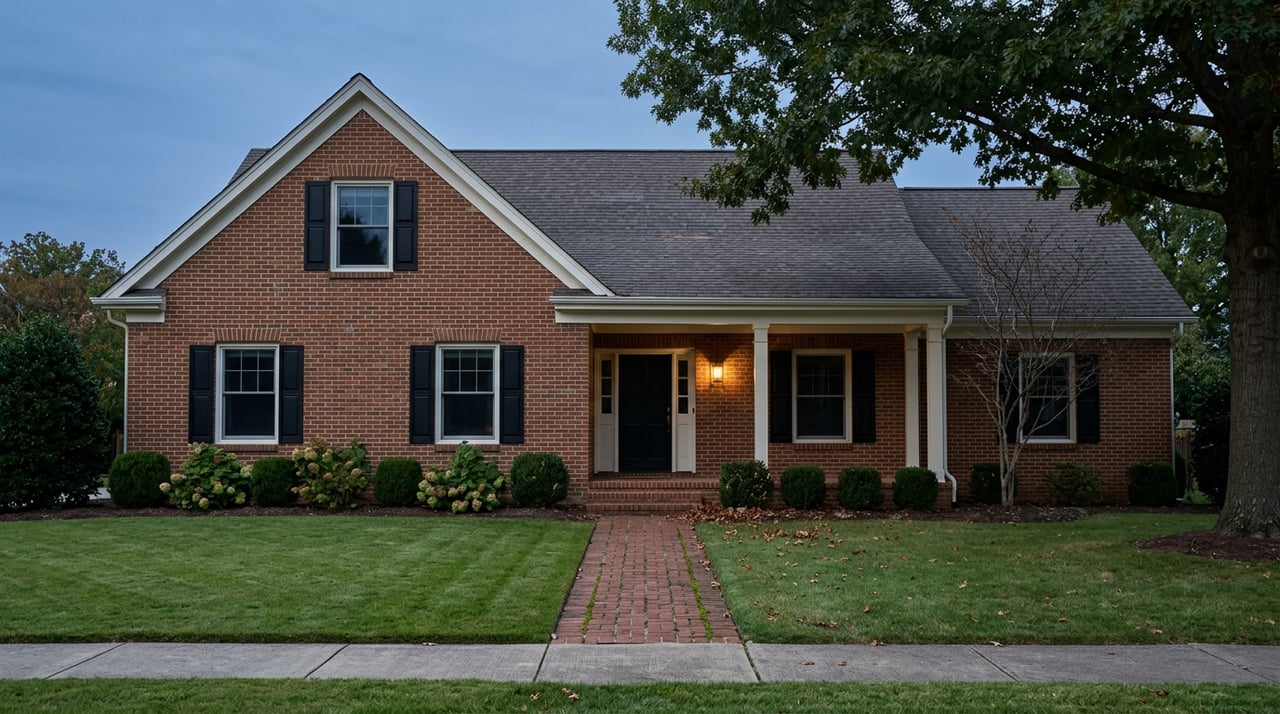
One of Kirkwood’s biggest strengths is its mix of housing styles. According to the National Park Service, the Kirkwood Historic District includes residential and commercial resources from the late 19th century through the mid-20th century. Common home styles include Queen Anne, Folk Victorian, Craftsman, Colonial Revival, bungalows, American Small Houses, and ranch homes that appeared around 1950.
For buyers, that variety creates more than curb appeal. It means you may find everything from an original bungalow with period charm to a heavily updated cottage or a newer infill home tucked into an older block pattern. That mix gives buyers more ways to match the neighborhood to their budget and lifestyle goals.
Because so much of Kirkwood’s appeal comes from older homes, the quality of updates can make a major difference. Some homes have been thoughtfully renovated, while others may include additions or design choices that feel less seamless. In a market like this, it helps to look past listing photos and pay attention to layout flow, finish consistency, and the age of major systems.
If you are buying from out of town or need extra support evaluating homes, this is where detailed video walkthroughs and local market context can be especially helpful. In a neighborhood with this much variation, a polished listing does not always tell the full story.
If you are dreaming about a big exterior renovation, it is important to know that some properties in designated historic areas may require a Certificate of Appropriateness from the City of Atlanta, depending on the scope of work. That does not mean you should avoid those homes. It does mean you should go in with a clear understanding of what changes may involve extra review.
For buyers who love historic character, this can be part of the appeal because it helps preserve the neighborhood’s architectural identity. For buyers who want to make major exterior changes quickly, it is a practical factor to discuss early.
Kirkwood offers a fairly wide price ladder, but it is not especially cheap by intown standards. Still, there is enough range that buyers with different goals can find opportunities.
At the lower end of the active market, recent examples include homes or condos around the high $300,000s to mid $500,000s. Redfin examples cited in the research include 140 Color Cir at $390,000, 2114 Ridgedale Rd at $495,000, and 159 Wyman St at $549,900. Recent sales also included 104 Wyman St at $336,600 and 20 Wyman St at $540,000.
This part of the market may appeal if you want a foothold in Kirkwood and are open to a smaller footprint, different property type, or a home that needs some level of cosmetic updating.
A more common range for renovated detached homes appears to be about $650,000 to $850,000. Recent sales in that bracket include 66 Bates Ave at $669,250, 275 Rockyford Rd at $757,500, 195 Hawthorn Cir at $775,000, 2276 1st Ave at $779,999, and 87 Howard St at $834,000. Active listings cited in the same general range include 1674 Dixie St at $669,000 and 302 Murray Hill Ave at $799,900.
For many buyers, this is the heart of Kirkwood’s value story. You are often shopping for a renovated single-family home in an intown neighborhood with established character, while still coming in below some nearby neighborhoods on a price-per-square-foot basis.
Above $900,000, the market shifts toward larger homes, newer builds, premium lots, or highly customized renovations. Current examples include 1631 Stanwood Ave at $895,000, 1626 Stanwood Ave at $1,164,900, and 274 Rockyford Rd at $1,100,000. Recent sales also reached $1.3 million to $1.549 million on streets like Oakview Road and Clay Street.
This upper tier is important because it shows Kirkwood is not just a stepping-stone neighborhood. It has enough buyer demand and home quality to support premium pricing in certain segments.
Kirkwood’s value case is not only about home prices. It is also about how the neighborhood fits into daily life. The broader 30317 ZIP has 15,622 residents, 7,254 housing units, a median household income of $107,955, and a mean commute time of 27.4 minutes, which points to an established intown market rather than an overlooked outlier.
The area’s multimodal access also adds momentum. The City of Atlanta says the Eastside Trolley Line Trail will connect Kirkwood, Edgewood, and Reynoldstown with the BeltLine, Coan Park, Gilliam Park, and other destinations. MARTA’s East Lake Station rehabilitation and Reach Zone 302 service for Kirkwood and Candler Park also support easier movement around the east side.
For buyers, this matters because convenience often strengthens long-term appeal. Even when projects are still in progress, improving transit and trail access can make a neighborhood feel more connected over time.
Kirkwood is part of Atlanta’s official NPU system in NPU-O, alongside East Lake and Edgewood. That may sound like a technical detail, but it tells buyers something useful. This is a neighborhood where rezonings, redevelopment, and land-use changes are part of an active local planning environment.
That kind of visibility can be a positive if you want to stay informed about what is changing nearby. It also reinforces the idea that Kirkwood is not standing still. From ongoing redevelopment planning at the Pullman Yard site at 225 Rogers Street to neighborhood events that spotlight historic and renovated homes, there is clear evidence of continued investment and attention.
The short answer is yes, with one important qualifier. Kirkwood is a value play relative to nearby intown neighborhoods, not relative to the broader metro as a whole. You are not buying the cheapest option. You are buying into a neighborhood that still offers a stronger value equation than some of its east-side peers, especially if you care about price per square foot, architectural character, and improving connectivity.
That makes Kirkwood especially compelling if you want:
If your only goal is the lowest possible price, Kirkwood may not be the right fit. If your goal is to buy thoughtfully in a neighborhood that still has a credible long-term value story, it should be on your shortlist.
If you are weighing Kirkwood against Candler Park, Inman Park, Decatur, or other intown options, Werner Homes Collective can help you compare the tradeoffs, tour homes in person or by video, and build a strategy around what matters most to you.
Stay up to date on the latest real estate trends.


Partnering with Alexis means working with someone who values preparation, transparency, and results. With years of behind-the-scenes experience on hundreds of transactions, every step is approached with strategy, care, and attention to detail. Clients don’t just get representation — they get an advocate.
WERNER HOMES COLLECTIVE
1 W Ct Square Ste 750 Decatur GA 30030